

Cardiovascular endurance exercises include activities like running, swimming, and cycling. Jumping rope, brisk walking, and rowing also help improve heart and lung capacity.
Cardiovascular endurance is pivotal for overall health, promoting efficient oxygen and nutrient delivery throughout the body. Engaging in regular aerobic exercises not only strengthens the heart but also reduces the risk of heart disease, improves blood circulation, and aids in weight management.
These exercises vary in intensity, and even daily tasks such as taking the stairs can contribute to cardiovascular health. By incorporating a variety of these exercises into a weekly routine, individuals can boost their stamina, enhance their quality of life, and support long-term fitness goals. Tailoring a fitness program to include these activities ensures a balanced approach to maintaining heart health at any age.
Introduction To Cardiovascular Endurance
Cardiovascular endurance stands at the heart of a healthy lifestyle. It refers to the ability of your heart, lungs, and blood vessels to efficiently supply oxygen to your muscles during prolonged physical activity. This introductory section will delve into what cardiovascular endurance is, its remarkable benefits for your health, and how you can effectively train your cardiorespiratory system through various exercises.
Understanding Cardiovascular Endurance
The term cardiovascular endurance describes the stamina and strength of your cardiorespiratory system. Simply put, it measures how long your heart, lungs, and muscles can work together before they get tired. A person with high cardiovascular endurance can perform dynamic exercises for extended periods without undue fatigue.
The Importance Of Cardiovascular Fitness For Health
Engaging in regular cardiovascular exercise translates into a wealth of benefits for your body. It can lead to a lower heart rate, improved lung capacity, and a decrease in risk for chronic diseases. A strong cardiovascular system is also linked to lower stress levels and a longer life span.
Basic Principles Of Cardio Training
- Frequency: Aim to do cardio exercises three to five times a week.
- Intensity: Exercise at a moderate to vigorous intensity.
- Time: Sessions should last at least 30 minutes.
- Type: Choose activities you enjoy, such as running, biking, or swimming.
- Progression: Gradually increase your workout intensity.
Types Of Cardiovascular Endurance Exercises
Cardiovascular endurance training boosts heart health and stamina. Diverse methods cater to different fitness levels and goals. Each type targets unique aspects of cardiovascular health. Let’s explore the main types of exercises that can help improve endurance.
Low-intensity Steady-state (liss) Exercises
LISS workouts are all about maintaining a steady pace. These exercises are perfect for beginners and those preferring a gentler approach to fitness. Consistent, low-intensity activity for extended periods is the core of LISS. Examples include:
- Walking: A simple, effective way to start building endurance.
- Cycling: Great for the joints and can be done indoors or outdoors.
- Swimming: Works the whole body gently and reduces impact stress.
High-intensity Interval Training (hiit) Workouts
HIIT alternates short bursts of intense activity with rest or low-intensity periods. It’s known for burning calories fast and enhancing cardiovascular fitness quickly. Key features include:
- Sprints: Short, high-speed running intervals that skyrocket the heart rate.
- Jump rope: A fun, full-body workout that revs up cardiovascular health.
- Burpees: Combines squats, jumps, and push-ups for a challenging routine.
Continuous Endurance Training
With continuous endurance training, activities are done at a moderate intensity without breaks. Endurance capacity builds as the body adapts over time. Here are some classics:
- Running: A traditional way to push endurance limits.
- Rowing: A full-body workout fostering both strength and endurance.
- Elliptical training: A low-impact alternative offering sustained effort.
Circuit Training For Cardiovascular Fitness
Circuit training incorporates a series of exercises performed one after another. It keeps the heart pumping and enhances stamina. Sessions usually feature:
- Bodyweight exercises like lunges and push-ups.
- Resistance movements using bands or weights.
- Cardio drills such as jumping jacks or high knees.
The circuit format works the entire body, making the heart stronger and more efficient at using oxygen.
All exercises mentioned above are not only great for boosting cardiovascular endurance but also for improving overall physical health. These exercises are a testament to the adaptability and diversity available to anyone looking to enhance their cardiovascular fitness.Cardio Exercises To Boost Stamina
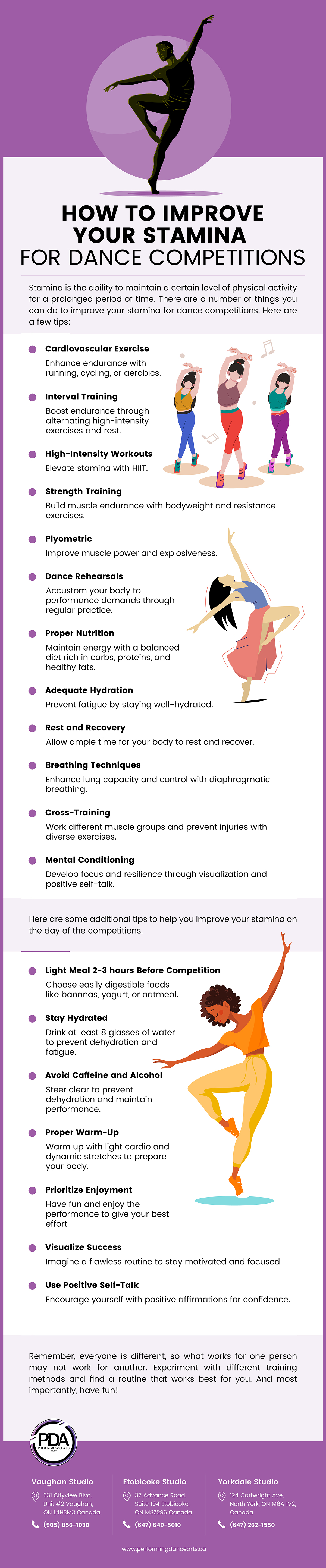
Stamina fuels your day, both physically and mentally. To boost it, cardio exercises are your best bet. Many options can enhance endurance and improve heart health. Below are exercises that vary in intensity and appeal but share a common goal: building cardiovascular stamina.
Running And Jogging – Path To Increased Endurance
Running and jogging are classic stamina boosters. They get your heart pumping and lungs expanding. Even beginners can start slow and increase pace with time. Here’s how running and jogging fire up endurance:
- Enhances lung function
- Strengthens the heart
- Burns calories efficiently
Cycling – A Journey To Cardiovascular Health
Cycling stands out for its low-impact appeal. It’s kind on joints but tough on calories. Saddle up, pedal away, and watch your stamina soar. Cycling benefits include:
- Boosting leg strength
- Increase cardiovascular fitness
- Can be indoor or outdoor
Swimming – Full-body Endurance Workout
Take a dive into swimming for an all-around endurance exercise. It’s a full-body workout that challenges muscles usually ignored. Swimming perks are:
- Builds endurance and muscular strength
- Improves posture and flexibility
- Is relaxing and reduces stress
Rowing – Syncing Strength And Stamina
Rowing is a powerhouse exercise. It meshes endurance and strength training. Every stroke is a step towards increased stamina.
| Rowing Benefits | Details |
|---|---|
| Full-body workout | Engages legs, arms, back, and core |
| Cardio and strength | Enhances heart function and muscle build |
Jump Rope – A Simple Tool For Cardio Enhancement
Jump rope, a tool of simplicity, yields powerful cardio benefits. Quick jumps sharpen coordination and elevate heart rate. Regular sessions lead to:
- Gains in agility and balance
- Improved endurance
- Calorie burning
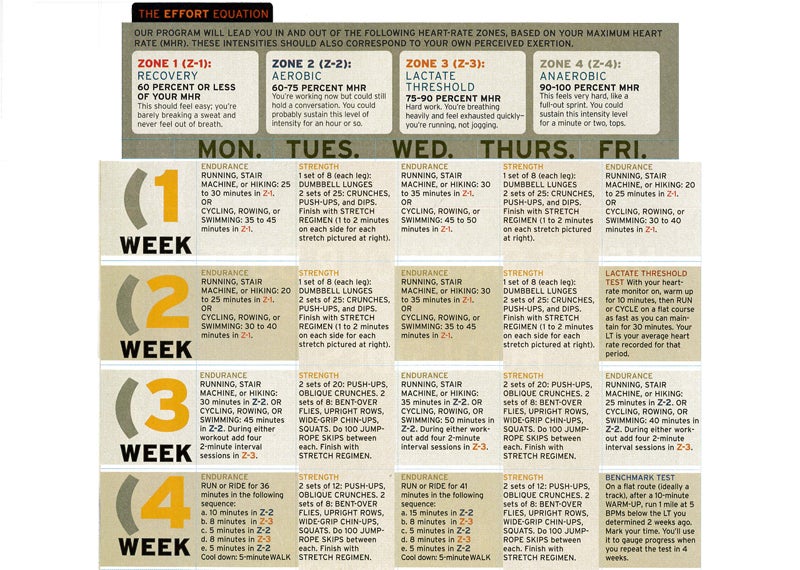
Designing A Cardiovascular Endurance Program
When building a cardiovascular endurance program, it’s about more than just running or cycling. A well-rounded routine boosts heart health, builds stamina, and keeps workouts fresh. Let’s explore a step-by-step guide to crafting a tailored and effective cardio plan.
Assessing Your Current Fitness Level
Knowing your starting point is crucial for a successful program. Begin with an assessment:
- Track your pulse rate after a brisk walk.
- Time how long you take to walk a mile.
- Record how many low-intensity exercise reps you can do.
Use these results to gauge your cardio fitness baseline.
Setting Achievable Cardiovascular Fitness Goals
Set goals that match your current abilities and lifestyle. Break them into smaller, manageable milestones.
- Begin with short-term aims, like a 5km run in a month.
- Plan for the mid-term, such as increasing distance over time.
- Eye long-term outcomes such as a half-marathon.
Ensure goals follow the SMART criteria: Specific, Measurable, Achievable, Relevant, and Time-bound.
Creating A Balanced Cardio Workout Schedule
Your schedule should include varied exercises to work different muscles and avoid boredom. Consider a mix of:
| Day | Activity |
|---|---|
| Monday | Brisk walking or jogging |
| Wednesday | Swimming or aqua aerobics |
| Friday | Cycling or spin class |
| Sunday | Long hike or team sports |
Adjust intensity and duration based on your fitness level and goals.
Incorporating Rest And Recovery In Your Routine
Rest is crucial for progress. Plan days off to allow muscles to recover.
An optimal schedule includes:
- Active recovery, like a gentle walk or yoga.
- Full rest days, no intense workouts.
- Sleep, essential for recovery.
Remember, a rest day helps prevent injury and burnout.
Measuring And Improving Cardiovascular Endurance
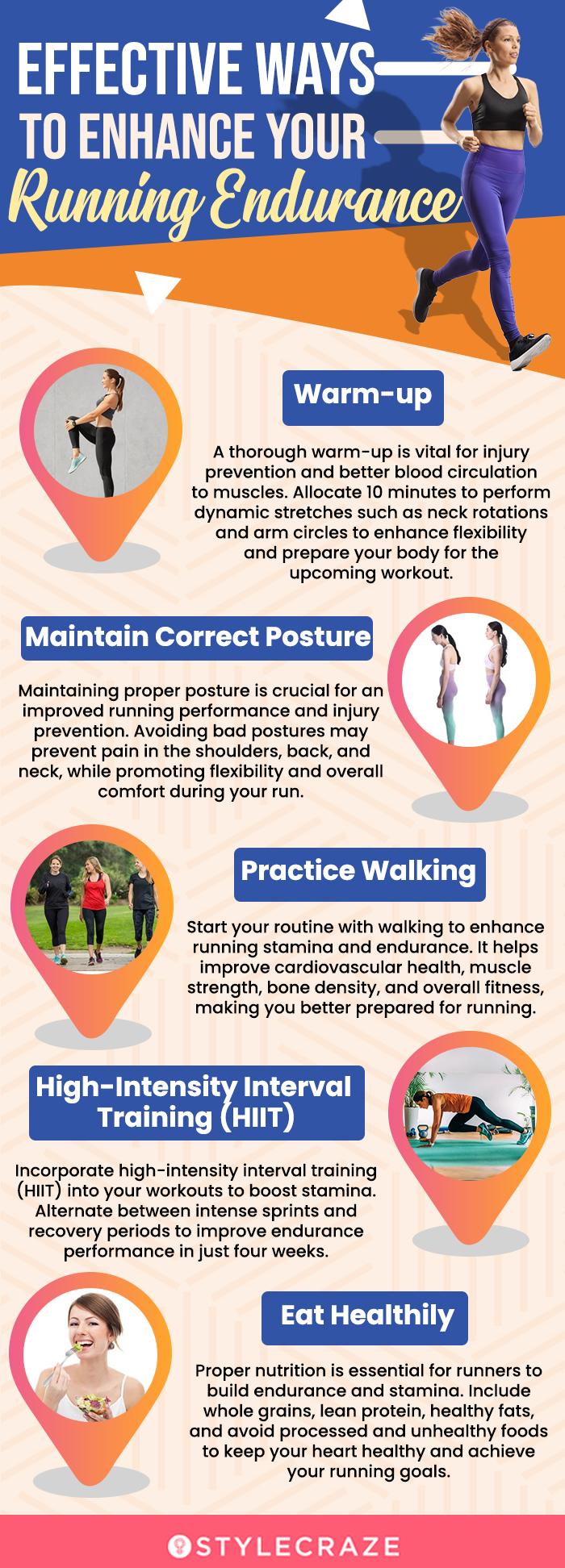
Cardiovascular endurance is a key component of overall fitness. It shows how well your heart and lungs work during activity. To get better, you need to know your starting point. Then, track your progress with tests. Let’s dive into ways to measure and boost your endurance.
Tracking Progress Through Endurance Tests
Regular endurance tests can show how your cardio fitness changes over time. These tests can be simple, like a timed mile run, or more detailed, like a cardio test in a gym. Be sure to record your results. Here are common tests:
- 1-Mile Walk/Run Test: Check the time it takes to cover one mile.
- Cooper Test: Run as far as possible in 12 minutes.
- Step Test: Step up and down for a set time. Measure your heart rate before and after.
Use a table to track changes in your performance:
| Test Type | Baseline Score | Current Score | Improvement |
|---|---|---|---|
| 1-Mile Run | 10 min | 9 min | 10% |
| Cooper Test | 2 km | 2.2 km | 10% |
Using Technology And Apps To Monitor Cardio Fitness
Apps and wearables make tracking your cardio fitness easy and fun. These tools often give real-time data on heart rate and calories burned. Look for apps with these features:
- Heart rate monitoring
- Personalized workout plans
- Progress tracking
- Gamified challenges
Sync them with your phone for a full picture of your health.
Tips For Overcoming Plateaus In Endurance Training
Hitting a plateau is normal in training. To push past it, try these tips:
- Mix up your workouts. Try new activities to challenge your body.
- Increase intensity. Add sprints or hills to your runs.
- Ensure rest days. Your body needs time to recover and strengthen.
Keep a training log to spot patterns and adjust your plan.
Credit: www.performingdancearts.ca
Nutrition And Hydration For Optimal Performance
For peak physical performance, what we eat and drink is just as important as the exercise itself. Fueling the body optimally for cardiovascular endurance doesn’t just support energy levels. It enhances overall training capacity and recovery. This section dives into the essentials of nutrition and hydration for top performance. Let’s explore the best foods, hydration strategies, and the role of supplements.
Eating For Energy: Best Foods For Cardiovascular Endurance
Eating the right foods is key to powering through endurance activities. These should be rich in nutrients, energy, and should digest easily. Below are the top picks for sustained energy:
- Whole Grains: They provide long-lasting energy.
- Lean Proteins: Important for muscle repair and growth.
- Fruits and Vegetables: Packed with vitamins and minerals for recovery.
Hydrating For Peak Performance
Staying hydrated ensures the body performs well and recovers quickly. Here’s how to keep the body’s water levels balanced:
- Drink water throughout the day, not just during workouts.
- Include fruits and veggies with high water content in your diet.
- Avoid excessive caffeine and alcohol as they can lead to dehydration.
Supplements: Are They Necessary For Stamina Improvement?
Supplements may promise quick stamina boosts, but are they essential? The truth lies in the balance:
| Supplement Type | Benefits | Considerations |
|---|---|---|
| Electrolytes | Replace salts lost through sweat. | Usually not needed for moderate exercise. |
| Energy Gels | Quick energy source. | Easy on the stomach for some, upsetting for others. |
| Protein Powders | Convenient protein source. | Whole foods are generally a better option. |
Focus on a balanced diet first. Supplements can fill specific gaps if needed. Always consult a healthcare professional before starting any supplement regimen.
Real-life Examples And Success Stories
Exploring how everyday people and professional athletes boost their heart health can be truly inspiring. An increase in cardiovascular endurance not only fuels daily activities with ease but also paves the way toward enhanced overall fitness. From heartwarming testimonies to impressive case studies, real-life examples shine a light on the power of persistence. Let’s dive into first-hand accounts of cardiovascular transformations.
Testimonials From Individuals Who Improved Their Cardio Fitness
- Mary S. – After just three months of regular running, Mary increased her jogging time from 5 minutes to 30 minutes non-stop.
- John D. – John shares his journey of overcoming health hurdles through daily cycling, boosting his stamina and shedding 20 pounds.
- Alice W. – A high-intensity interval training (HIIT) enthusiast, Alice saw her resting heart rate drop by 15 beats per minute, a sign of improved heart health.
Case Studies: How Cardio Endurance Transformed Lives
| Name | Exercise | Duration | Outcome |
|---|---|---|---|
| Mark T. | Swimming | 6 months | Cut two minutes off his mile swim time |
| Lisa P. | Rowing | 1 year | Participated in her first rowing competition |
| Emily H. | Stair Climbing | 4 months | Climbed 100 floors without stopping |
Professional Athletes’ Insights On Cardio Training
Jake C., a marathon runner, highlights the importance of consistent long runs for endurance. He attributes his marathon success to this discipline.
Nina M., a soccer player, focuses on sprint drills for explosive power and stamina. Her game time performance improved dramatically.
Lucas B., a triathlete, leverages cross-training to prevent injuries and maintain peak cardio form. His winning streak continues to grow.
Credit: www.stylecraze.com
Credit: www.outsideonline.com
Frequently Asked Questions For Cardiovascular Endurance Exercises Examples
What Are 5 Cardiovascular Endurance Examples?
Five cardiovascular endurance examples include running, swimming, cycling, rowing, and aerobic dancing. Each activity strengthens the heart and improves overall fitness.
What Are The 5 Exercises Of Cardiovascular Fitness?
Five key exercises for cardiovascular fitness are running, swimming, cycling, jumping rope, and brisk walking. These activities boost heart health and endurance.
What Are Some Home Exercises To Increase Cardiovascular Endurance?
To boost cardiovascular endurance at home, engage in jogging in place, burpees, jump rope, high knees, and mountain climbers. These exercises elevate heart rate and improve stamina.
What Is The Best Exercise For Cardio And Endurance?
High-Intensity Interval Training (HIIT) is ideal for boosting cardio and endurance. It alternates short bursts of intense activity with recovery periods, maximizing heart rate and stamina.
Conclusion
Embracing a range of cardiovascular endurance exercises can transform your health journey. From brisk walking to swimming, each activity brings unique benefits. Stay consistent, set realistic goals, and listen to your body’s needs. Remember, the heart thrives on sustained, regular activity.
Begin your cardio adventure today and experience the invigorating difference it makes to your well-being.
