
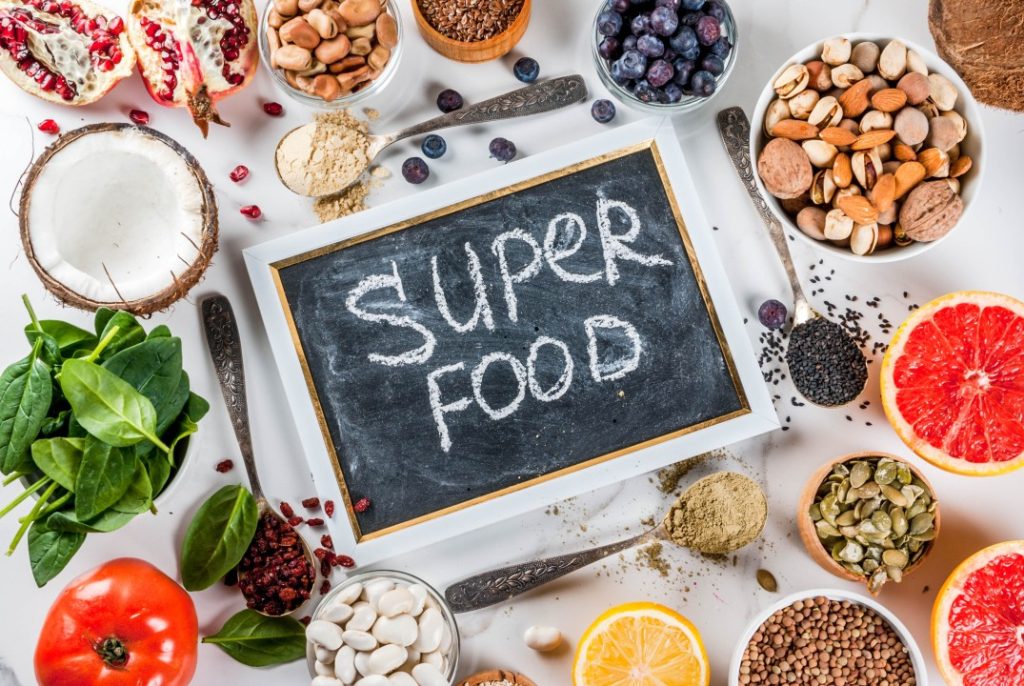
The top 10 superfoods include kale, blueberries, avocados, quinoa, almonds, chia seeds, spinach, sweet potatoes, salmon, and green tea. These nutrient-rich foods offer numerous health benefits.
Delving into the world of nutrition reveals an elite group of edibles that stand out for their exceptional nutritional profiles: superfoods. These extraordinary foods are revered for their high concentration of vitamins, minerals, antioxidants, and other health-promoting properties. Integrating them into your diet can support overall health, aid in disease prevention, and promote a well-rounded lifestyle.
While trends come and go, the superfoods listed have withstood the test of time, consistently topping nutrition discussions and recommendations. They represent a mix of plant-based and animal-based options, catering to a wide array of dietary preferences. Embracing these superfoods in daily meals is an excellent step toward better health. Each one of them comes with a range of potential health benefits, right from boosting heart health to enhancing immune function.

Credit: vegnews.com
Introduction To Super Foods
What are super foods? People often use this term for foods packed with nutrients. These foods help our bodies stay healthy, strong, and full of energy. From exotic berries to local greens, super foods come in many forms. They offer a powerful health boost within every bite. In this section, we dig into the concept of super foods. We explore their growing popularity and define what makes them so super.
The Rise Of Super Foods In Contemporary Diets
Super foods are becoming a staple in our meals. From smoothies to salads, we see them everywhere. Why? Because we’re more health-conscious than ever. We want foods that do more than just fill us up. We want foods that help fight disease, boost energy, and improve our wellbeing. Super foods answer this call. With science backing up their benefits, they’re here to stay.
Criteria For Defining A Super Food
Not all healthy foods are super foods. To earn the ‘super’ title, a food must meet specific criteria. It should be:
- Rich in nutrients: Vitamins, minerals, and antioxidants are a must.
- Low in calories: They should give the best nutrition for the least amount of calories.
- Proven to improve health: Research should show that they offer clear health benefits.
These foods provide multiple benefits at once. For instance, blueberries aren’t just low in calories. They’re also high in vitamin C and full of antioxidants. This is what makes them super.
Berries: Nature’s Sweet Antioxidants
Berries might be small, but they are mighty heroes in the nutritional universe. Packed with vitamins, fibers, and antioxidants, these little fruits pack a healthful punch. Antioxidants in berries fight free radicals, lower inflammation, and are deliciously easy to enjoy. Whether in a smoothie, on cereal, or straight from the bush, berries come with benefits to sweeten your health.
Blueberries: A Phytonutrient Powerhouse
Blueberries lead the berry band with their deep blue hue, signaling rich phytonutrient content. One cup of these jewels offers a robust dose of vitamins, fiber, and particularly high levels of antioxidants. Known for supporting brain health, they improve memory and cognitive function. They are also low in calories, making them a great choice for a sweet, nutritious snack.
- Support brain function
- High in Vitamin C and K
- Filled with manganese, fiber, and antioxidants
Strawberries: Vitamin C And Manganese Abundance
Strawberries shine bright in their nutrition profile. Rich in Vitamin C, they outperform oranges gram for gram. They have plenty of manganese and also boast a hefty fiber content. Folate, a natural occurring folic acid, is another key benefit of this heart-shaped berry. Strawberries help in maintaining good heart health and have compounds that assist in regulating blood sugar.
| Nutrient | Benefit |
|---|---|
| Vitamin C | Boosts immunity and skin health |
| Manganese | Supports bone health and metabolism |
| Fiber | Enhances digestive health |
Enjoy strawberries fresh, frozen, or in jams. However, fresh is the best to enjoy all the nutrients.
Leafy Greens: The Chlorophyll-rich Champions
Leafy greens stand tall as nature’s multivitamins. Packed with chlorophyll, they’re not just garden-variety vegetables. These nutritional powerhouses support a healthy lifestyle, with benefits reaching every cell in your body. Dive into the world of kale, spinach, and collard greens to discover how they earn their title as chlorophyll-rich champions.
Kale And Spinach: Versatile Nutrient Factories
Resilient to cooking and versatile in recipes, kale and spinach take center stage. Their nutrient profiles impress with essential vitamins and minerals. Here’s what makes them stand out:
- Kale boats vitamin A, C, K, and minerals like potassium.
- Spinach is renowned for its iron and folate content.
Both improve eye health, promote strong bones, and aid muscle function. Their versatility allows inclusion in smoothies, salads, and main dishes.
Collard Greens: High In Calcium And Iron
A southern cuisine staple, collard greens shine with nutrients. Highlights of their nutritional content include:
| Nutrient | Benefit |
|---|---|
| Calcium | Strong bones and teeth |
| Iron | Healthy blood cells |
| Vitamin A | Good vision and immune system |
| Vitamin C | Healing and antioxidant properties |
Rich in fiber and protein, collard greens contribute to digestive health and are heart-friendly. Enjoy them steamed, sautéed, or in soups.

Credit: humanfood.bio
Nuts And Seeds: Compact Nutritional Treasures
Nuts and Seeds: Compact Nutritional Treasures serve as nature’s own vitamin capsules. Filled with an impressive assembly of nutrients, these bite-sized powerhouses pack a potent punch of health benefits. Small in size yet massive in nutritional value, they are essential staples in every health-conscious individual’s diet.
Almonds: Heart-healthy Fats And Fiber
Loaded with monounsaturated fats, almonds champion heart health. They reduce bad cholesterol and are packed with vitamin E, magnesium, and potassium, which help oxygen and nutrients flow more freely through the blood.
- Fiber-rich – aids in digestion and provides a feeling of fullness.
- Contains protein – vital for muscle repair and growth.
Chia Seeds: Omega-3 Fatty Acids And Protein
Chia seeds are tiny yet mighty. These small seeds offer a robust amount of omega-3 fatty acids, which are essential for brain health. Their high fiber content promotes digestive health, while their protein is perfect for energy.
| Nutrient | Benefit |
|---|---|
| Omega-3 Fatty Acids | Supports brain function and reduces inflammation. |
| Protein | Builds and repairs tissues and muscles. |
| Fiber | Enhances digestive health and controls hunger. |
Omega-3 Rich Fish: Brain-boosting Delicacies
Omega-3 Rich Fish: Brain-Boosting Delicacies grace the menu of health-conscious individuals. These waters swarming nutrition bring taste and wellness to the table. Our brains love omega-3 fatty acids for their power to enhance mood, memory, and brain structure.
Salmon: Combining Flavor With Omega-3s
Salmon stands as a superstar in the superfood world. This succulent fish packs a taste that satisfies the palate while stocking the brain with essential nutrients. Every bite of salmon is a step towards better brain health. A weekly serving can make a notable difference.
- Rich in DHA: Vital for brain health
- Versatile in the kitchen: Fits numerous recipes
- Wild-caught or farmed?: Choose wild for higher omega-3
Sardines: Low On The Food Chain, High In Value
Sardines offer a wealth of nutrition from a tiny package. These small fish are a smart choice, rich in omega-3s yet low in contaminants. An easily accessible superfood, sardines set the bar for affordability and health benefits.
| High in omega-3 | Supports cardiovascular health |
| Eco-friendly | Low environmental impact |
| Convenient | Easy to add to diet |

Credit: www.amazon.com
Cruciferous Vegetables: The Detoxifying Crunch
Cruciferous vegetables are a powerhouse group in the superfood world. The crunchy texture packs a punch of detoxifying abilities. Rich in vitamins, minerals, and fiber, they play a vital role in maintaining a healthy lifestyle. Their standout benefit is a group of compounds called glucosinolates. These work wonders for your body’s detox systems.
Broccoli: Sulforaphane And Disease Prevention
Broccoli, the green gem in the veggie kingdom, is loaded with a compound named sulforaphane. This compound is a hero for cellular health. Studies link it to potential cancer prevention. It also supports heart health and brain function.
- Antioxidants: Fights off harmful free radicals.
- Vitamin C: Enhances immune system.
- Calcium and Vitamin K: Essential for bone health.
| Nutrient | Benefit |
|---|---|
| Sulforaphane | Supports detoxification and may prevent cancer. |
| Fiber | Helps digestion and keeps you full longer. |
| Vitamin C | Strengthens the immune system and skin health. |
Brussels Sprouts: Fiber And Vitamin K
Brussels sprouts shine with their high fiber content which aids in digestion. Packing a punch of Vitamin K, they are essential for blood and bone health. They also lower the body’s cholesterol levels.
- Vitamin K: A key nutrient vital for blood clotting.
- Vitamin C: Shields the body from infections.
- Alpha-lipoic acid: Supports insulin function.
| Nutrient | Amount | Benefit |
|---|---|---|
| Dietary Fiber | ~4g per serving | Supports gut health and helps in weight management. |
| Vitamin K | 137% of the RDA per serving | Maintains bone density and ensures proper blood clotting. |
Legumes: Plant-based Protein Power
Legumes offer a mighty nutritional punch – they’re packed with protein. They’re essential for vegetarians and vegans. Their high protein content supports muscle repair and growth. Full of fiber, they help with digestion. They’re also rich in essential vitamins and minerals. This means they’re great for overall health. Legumes are a versatile food you can add to any meal. They’re also eco-friendly as they need less water to grow. This makes them a sustainable choice for our planet. Let’s dive into two incredible legumes, lentils and black beans.
Lentils: Iron-rich And Satiating
Lentils are tiny but they pack a serious nutritional punch. They’re a top source of plant-based protein. This makes them a key part of a healthy diet. Lentils are also rich in iron, which is vital for energy and focus. Include them in your meals to stay full and satisfied for hours.
- High in dietary fiber – good for gut health
- Rich in iron – supports oxygen transport in the body
- Provides protein – essential for muscle function
- Low in calories – aids in weight management
Black Beans: Protein Coupled With Antioxidants
Black beans are not just another bean. They are a powerhouse of protein and antioxidants. They help in fighting free radicals in your body. This keeps you healthy and strong. They are also a great source of fiber. This means they keep you feeling full longer.
| Nutrient | Benefit |
|---|---|
| Protein | Builds and repairs tissues |
| Antioxidants | Combats cellular damage |
| Fiber | Promotes a healthy digestive system |
Whole Grains: The Fiber-filled Staples
Whole grains are essential for a nutritious diet. They’re packed with fiber that helps digestion. They also keep you full longer and are packed with nutrients. Let’s dive into two whole grain superstars.
Quinoa: A Complete Protein Source
Quinoa takes the lead among grains for its protein content. It’s a rare plant-based complete protein, meaning it has all nine essential amino acids. This makes it a staple for vegetarians and health enthusiasts alike. Here’s a quick nutritional breakdown:
| Nutrients | Amount |
|---|---|
| Protein | 8 grams |
| Fiber | 5 grams |
| Iron | 15% of RDA |
| Magnesium | 30% of RDA |
Enjoy quinoa in salads, stews, or even as a cereal. It’s gluten-free and easy to cook.
Oats: Balancing Blood Sugar And Cholesterol
Oats are a heart’s best friend. They help control blood sugar and lower bad cholesterol. They’re also rich in soluble fiber called beta-glucan. Beta-glucan boosts heart health.
- Whole rolled oats for breakfast porridge.
- Steel-cut oats for a chewy texture.
- Oat bran for a fiber-packed addition to smoothies.
Include oats in your diet for a delicious, healthy grain choice.
Fermented Foods: Probiotic Wonders For Gut Health
Fermented foods are like secret agents for your gut. They bring good bacteria, known as probiotics, to help our digestion. When we eat them, our gut says “thank you” by working better. These great foods have been around for a long time. Each bite is an adventure full of health benefits. Let’s dive into the probiotic world and explore some top fermented foods.
Kefir And Yogurt: Cultures Of Health
Kefir is a tangy drink full of friendly bacteria. It’s like milk that went to a health spa. Drinking it is a way to send your gut a wave of wellness. Yogurt, a thicker cousin of kefir, is also a probiotic champion. Whether in breakfast bowls or smoothies, it boosts your gut with good vibes.
| Benefit | Kefir | Yogurt |
|---|---|---|
| Probiotics | Many strains | Good amount |
| Texture | Drinkable | Creamy |
| Use | Smoothies, Drinks | Bowls, Cooking |
Sauerkraut And Kimchi: Traditional Gut Boosters
Sauerkraut is shredded cabbage that’s been pickled. It’s like a crunchy tangy salad with superpowers. A few bites help your digestion sing. Kimchi is sauerkraut’s spicy Korean sibling. With its mighty mix of veggies and seasonings, it gives your meals a zesty kick and your tummy a health hug.
- Taste: Tart for sauerkraut, spicy for kimchi.
- Use: Mix in salads, top on dishes.
- Benefits: Probiotics, vitamins, fiber.
Roots And Tubers: Grounded In Nutrients
Roots and tubers stand as mighty giants in the world of superfoods. Packed with essential vitamins, minerals, and fiber, these underground treasures are powerhouses of nutrition. Not only do they provide substantial health benefits, but they’re also versatile in the kitchen, making them a favorite among both chefs and nutritionists.
Sweet Potatoes: Beta-carotene And Fiber
Sweet potatoes are a delicious source of beta-carotene, the plant pigment responsible for their vibrant color. Once inside the body, beta-carotene converts to vitamin A, essential for healthy eyes and immune function. They are also rich in dietary fiber, promoting a healthy digestive system.
- Excellent source of Vitamin A and C
- Rich in antioxidants, fighting free radicals
- High in fiber for digestive wellness
Ginger And Turmeric: Spices With Healing Powers
Ginger and turmeric are not just flavorsome spices; they are medicinal marvels. Ginger is renowned for its anti-inflammatory abilities and its power to ease nausea. Turmeric contains curcumin, a compound with potent anti-inflammatory and antioxidant properties. These roots can boost immunity and accelerate healing.
| Root | Key Nutrients | Health Benefits |
|---|---|---|
| Ginger | Vitamin B6, Magnesium | Alleviates Nausea, Reduces Muscle Pain |
| Turmeric | Curcumin, Fiber | Anti-inflammatory, Improves Brain Function |
Conclusion: Integrating Super Foods Into Everyday Life
Embracing super foods enhances health and well-being. Simple steps can ensure these powerful foods find their way into daily diets. Let’s explore how to maintain balance and introduce exciting recipes that make super foods a staple at every meal.
Eating Super Foods In Balance
Maintaining a balanced diet is key when including super foods. They should complement other nutrients for overall health. Follow these tips:
- Vary your plate with different super foods to get a range of benefits.
- Match super foods with lean proteins, whole grains, and healthy fats.
- Keep portions in check. Even super foods can be overeaten.
Creative Super Food Recipes For Daily Menus
Adding super foods to your menu can be fun and innovative. Try these ideas:
| Meal | Recipe |
|---|---|
| Breakfast | Chia seed pudding with mixed berries |
| Lunch | Quinoa salad with kale and roasted nuts |
| Snack | Avocado and spinach smoothie |
| Dinner | Grilled salmon with a side of sweet potatoes |
Remember, creativity is key. Mix and match flavors. Try new combinations to keep meals exciting and nutritious.
Frequently Asked Questions Of What Are The Top 10 Super Foods
What Is The #1 Superfood?
There isn’t a definitive “#1 superfood,” as nutrition experts recommend a varied diet including fruits, vegetables, whole grains, and lean proteins for optimal health.
What Are The Top 20 Super Foods?
The top 20 superfoods include blueberries, kale, salmon, acai berries, garlic, chia seeds, quinoa, spinach, almonds, avocados, sweet potatoes, walnuts, eggs, broccoli, green tea, oranges, pumpkin seeds, turmeric, ginger, and dark chocolate.
What Are The 5 Superfoods That Burn Fat?
Green tea, almonds, grapefruit, whole grains, and lean meats are five superfoods known for their fat-burning properties.
What Super Foods Should You Eat Everyday?
Incorporate superfoods like berries, leafy greens, nuts, and seeds into your daily diet. Opt for avocados and quinoa for sustained energy, and include fatty fish for omega-3s. Choose superfoods like berries, nuts, and fish for optimal health benefits and ensure variety in your daily intake.
Conclusion
Embracing superfoods boosts health and vitality. Our top 10 list is a treasure chest of nutrition. Start incorporating them into your daily regimen. Feel the difference with enhanced well-being. Turn a new leaf in your health journey, starting with these powerful foods.
