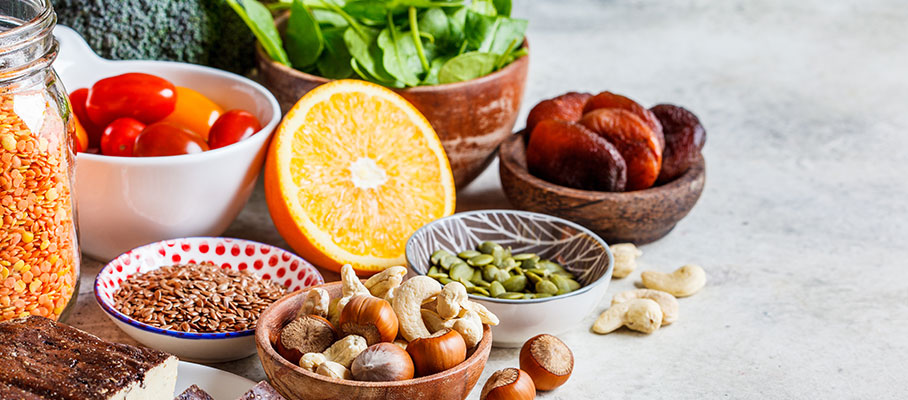
Foods rich in iron, vitamin B12, and folic acid can boost blood levels. Examples include leafy greens, red meat, legumes, and fortified cereals.
Eating the right foods is crucial for increasing blood count and maintaining overall health. Iron-rich foods, like spinach, lentils, and beef, are fundamental for hemoglobin production. Vitamin B12, found in abundance in animal products such as poultry, fish, and dairy, is essential for preventing anemia.
Folic acid, present in beans, citrus fruits, and bread, aids in the formation of new red blood cells. Incorporating these nutrients into your diet can lead to improved energy levels and a better functioning immune system. For vegetarians, options like quinoa and tofu offer both iron and protein, while fruits like oranges provide vitamin C, which enhances iron absorption. A diet diverse in these components not only supports blood health but also contributes to overall vitality.
Credit: www.metropolisindia.com
The Importance Of Hemoglobin
Your body’s strength and vitality depend heavily on a key player: hemoglobin. This vital protein in your red blood cells carries oxygen from the lungs to every part of your body. It ensures your organs work well and your energy levels stay high. A diet rich in blood-increasing foods is critical for maintaining healthy hemoglobin levels.
Hemoglobin’s Role In Health
Hemoglobin is not just another protein. It’s fundamental for transporting oxygen and providing energy to your cells. Good levels of hemoglobin ensure your body tissues are well-oxygenated, helping you feel alert and energetic.
- Oxygen transport: Hemoglobin picks up oxygen in the lungs and delivers it to your body’s cells.
- Carbon dioxide removal: After delivering oxygen, hemoglobin carries carbon dioxide back to your lungs, where it’s exhaled.
- Maintaining pH balance: Hemoglobin helps regulate the acid-base balance in your blood.
Consequences Of Low Hemoglobin Levels
Low hemoglobin levels can lead to anemia. This condition makes you feel tired and weak. Here are a few consequences of anemia:
- Fatigue: Less hemoglobin means less oxygen in your cells, leaving you tired.
- Shortness of breath: Your body might struggle to get enough oxygen, making it hard to breathe.
- Heart problems: Your heart has to work harder to supply oxygen which can lead to complications.
To keep your hemoglobin levels up, focus on a diet that includes iron-rich foods like spinach, red meat, lentils, and fortified cereals. Vitamin C helps your body absorb iron, so don’t forget foods like oranges, strawberries, and bell peppers. For vegetarians, foods like tofu, beans, and nuts are excellent for boosting iron levels.
Identifying Hemoglobin Deficiencies
Hemoglobin is vital for health. It carries oxygen from lungs to body parts. If low, the body suffers. Knowing signs and boosting hemoglobin is key. Learn about anemia and hemoglobin tests here.
Symptoms Of Anemia
Anemia makes you feel tired and weak. Look for these signs:
- Fatigue is common.
- Look for pale skin.
- Breathlessness happens often.
- Your heartbeat might be fast.
- Notice a lack of energy?
- Dizziness can occur.
- Headaches might trouble you too.
Diagnostic Tests For Hemoglobin Levels
Doctors test hemoglobin in a lab. Find the tests below.
| Test Type | What It Shows |
|---|---|
| Complete Blood Count (CBC) | Measures hemoglobin and more. |
| Hemoglobin Electrophoresis | Looks for abnormal hemoglobin types. |
| Ferritin Test | Checks iron stores in your body. |
Iron-rich Foods To Boost Hemoglobin
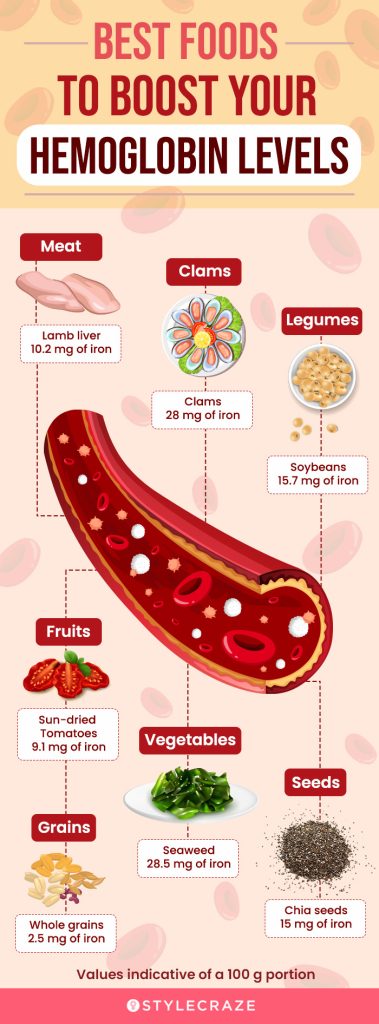
An essential component of your blood is hemoglobin, a protein tasked with carrying oxygen. Iron-rich foods are critical for hemoglobin production. Low hemoglobin levels lead to anemia, making you feel tired and weak. To ramp up hemoglobin levels, focus on iron-packed food choices. Here’s a list to get you started:
Red Meat And Organ Meats
Red meats, especially beef, are iron powerhouses. They provide heme iron, which your body absorbs easily. Organ meats like liver and kidney are even richer in iron.
- Beef – A top choice for iron.
- Lamb – Another good red meat option.
- Liver – Exceptionally high in iron, vitamins, and minerals.
Leafy Greens And Vegetables
Vegetables, particularly the leafy green variety, are great non-heme iron sources. Combine them with vitamin C-rich foods to enhance iron absorption.
| Vegetable | Iron Content |
|---|---|
| Spinach | High in iron, vitamins A, C, and K. |
| Kale | Another nutrient-dense choice. |
| Broccoli | Contains iron and essential nutrients. |
Vitamin C For Better Iron Absorption
Vitamin C plays a key role in our body. It helps our body use iron better. Iron is found in foods like meat and spinach. But iron from plant-based foods is harder to absorb. Adding Vitamin C-rich foods to our meals helps in absorbing more iron. This is very important for our blood.
Citrus Fruits And Berries
Eating fruits like oranges, lemons, and berries is a tasty way to boost Vitamin C. They help the blood use more iron. Here’s a list of fruits packed with this vital vitamin:
- Oranges: A juicy source of vitamin C
- Strawberries: Sweet and full of nutrients
- Grapefruits: A tangy addition to any meal
- Lemons: Add a squeeze to water or dishes
Vegetables High In Vitamin C
Vegetables are another great way to increase Vitamin C. They help our body use iron found in different foods. These veggies are top choices:
| Vegetable | Vitamin C Content |
|---|---|
| Broccoli | High |
| Bell Peppers | Very High |
| Kale | High |
| Brussels Sprouts | High |
Other Nutrients That Enhance Hemoglobin
Enhancing hemoglobin is not only about iron-rich foods. Certain nutrients are essential for boosting hemoglobin levels. These include folic acid and vitamin B12. They support red blood cell production and improve oxygen transport.
Folic Acid And Its Sources
Folic acid is crucial for healthy red blood cells. A lack of it leads to anemia. Common sources of folic acid include:
- Leafy greens: Spinach, kale, and Swiss chard
- Beans: Lentils, pinto beans, and black-eyed peas
- Fruits: Oranges, bananas, and avocados
- Fortified grains: Bread, cereal, and pasta
Vitamin B12 And Its Dietary Importance
Vitamin B12 is vital for red blood cell formation and neurological function. Found in:
| Food | B12 Content |
|---|---|
| Animal liver | High |
| Seafood | High |
| Dairy products | Moderate |
| Eggs | Moderate |

Credit: www.stylecraze.com
Incorporating Hemoglobin-boosting Foods Into Your Diet
Boosting hemoglobin levels doesn’t just improve your blood count. It fuels your body with oxygen, enhancing overall health and vitality. A balanced diet rich in hemoglobin-boosting foods can significantly raise your levels. As you integrate these powerful nutrients into your meals, observe your energy levels soar.
Easy Dietary Changes
Elevating hemoglobin is simple with a few dietary tweaks. Begin by adding iron-rich foods like spinach, lentils, and beef. Don’t forget Vitamin C from oranges and strawberries to aid iron absorption. Folic acid sources like asparagus and eggs are essential too. Incorporate beetroot and apples for a natural boost.
- Spinach – A leafy green packing plenty of iron.
- Lentils – Fiber-filled and iron-rich.
- Beef – Choose lean cuts for high iron content.
- Oranges & Strawberries – Great for Vitamin C and iron absorption.
- Asparagus & Eggs – Excellent for folic acid.
- Beetroot & Apples – Natural hemoglobin enhancers.
Sample Meal Plans And Recipes
| Day | Breakfast | Lunch | Dinner |
|---|---|---|---|
| Monday | Iron-fortified cereal with strawberries | Lentil soup with spinach salad | Grilled lean beef with roasted asparagus |
| Tuesday | Scrambled eggs with sautéed spinach | Beetroot salad with orange segments | Baked chicken with quinoa and apple slices |
Try these simple recipes:
- Spinach Smoothie – Blend spinach, banana, and orange juice.
- Beef Stir-Fry – Cook lean beef strips with colorful bell peppers.
- Lentil Curry – Simmer lentils with tomatoes, turmeric, and cumin.
When To Seek Medical Advice
Knowing when to seek medical advice is crucial for maintaining healthy blood levels. It’s important to understand the signs that indicate a need for professional help. Regular monitoring of hemoglobin is a proactive step towards prevention and management.
Monitoring Hemoglobin Levels At Home
Checking hemoglobin at home helps you stay informed about your blood health. Simple, everyday devices make this possible. You can use a home testing kit to track your levels. Look for drops in hemoglobin that happen fast. Consistent low readings mean you should talk to a doctor.
Consulting A Healthcare Professional
Sometimes, food alone might not help increase blood levels. If home monitoring shows low hemoglobin, visit a healthcare provider. They can offer the right treatment. Other red flags include feeling tired often, looking pale, or having shortness of breath. These symptoms require immediate medical attention. A professional will guide you with tailored advice that suits your specific health needs.
Let’s explore some key reasons to consult a doctor:
- Constant fatigue even after rest
- Dizziness or shortness of breath
- Skin that looks paler than usual
- Unexplained heart palpitations
Remember, a healthy diet plays a part in red blood cell production. Alongside introducing blood-increasing foods into your meals, keep an eye on your symptoms. Know when to reach out for professional health advice.

Credit: redcliffelabs.com
Frequently Asked Questions For Blood Increasing Foods List
Which Food Increase Blood Very Fast?
Iron-rich foods like red meat, spinach, and legumes can quickly increase blood levels. Vitamin C-rich foods such as oranges enhance iron absorption, speeding up this process.
What Can I Drink To Increase My Blood?
To increase blood levels, drink iron-rich beverages like spinach or beetroot juice. Other options include pomegranate juice, which boosts hemoglobin, and nettle tea, known for iron content. Always consult a healthcare provider for personalized advice.
How Can I Raise My Hemoglobin Level Quickly?
Eat iron-rich foods like red meat, leafy greens, and beans. Include vitamin C to enhance iron absorption. Take iron supplements if prescribed. Avoid iron blockers like tea or coffee during meals. Consult a doctor for appropriate measures.
How Can I Raise My Iron Levels Quickly?
To quickly raise iron levels, consume iron-rich foods like spinach, red meat, and legumes. Pair these with vitamin C-rich foods to enhance absorption. Avoid calcium-rich foods and coffee during meals, as they can impede iron uptake. If needed, consider taking iron supplements as directed by a healthcare provider.
Conclusion
Wrapping up, we’ve explored a variety of foods that can boost your blood levels. By incorporating items like leafy greens, iron-rich meats, and vitamin-packed fruits into your diet, you’re well on your way to improved vitality. Remember, balanced nutrition is key for optimal health.
Make these foods part of your regular meals and reap the benefits of a nourished body.
