
Foods rich in omega-3 fatty acids, antioxidants, and fiber are beneficial for heart valves. Incorporating leafy greens, nuts, berries, and lean proteins can support heart valve health.
What foods are Good for Heart Valves: Ensuring the wellness of heart valves is crucial for overall cardiovascular health. A diet conducive to heart valve maintenance incorporates a variety of nutrient-dense foods. Omega-3 fatty acids, found in fish like salmon and sardines, help reduce inflammation and improve blood flow.
Antioxidant-rich foods such as berries, dark chocolate, and tomatoes combat oxidative stress that can damage heart tissue. High-fiber options like whole grains, legumes, and a range of vegetables help manage cholesterol levels, a key factor in heart valve functionality. Lean proteins, including chicken and turkey, sustain muscle health without overwhelming the heart with excess fats. By emphasizing these heart-healthy choices, individuals can promote the function and longevity of their heart valves, contributing to a stronger cardiovascular system.

Credit: www.uchealth.com
Intro To Heart-healthy Eating
Welcome to the world of heart-healthy eating, a delicious approach to nourishing your body and protecting your heart valves. The food you eat plays a vital role in maintaining cardiovascular health. Embarking on this journey offers numerous benefits, ensuring your heart beats strong and your vessels stay clear. Ready to embrace a diet that loves your heart as much as you do? Let’s explore.
Why Nutrition Matters For Heart Valves
Good nutrition is the foundation for healthy heart valves. These tiny gatekeepers in your heart ensure blood flows properly. Just like any high-performance machine, they require the right fuel to operate optimally.
- Foods rich in antioxidants help combat damage to heart tissues.
- Omega-3 fatty acids found in fish reduce inflammation that can affect heart function.
- A diet low in sodium and saturated fats keeps blood pressure in check, easing the workload of heart valves.
The Impact Of Diet On Heart Health
Your dietary choices directly affect your heart’s well-being. The right diet can lower the risk of heart disease and improve overall valve function.
| Food Type | Benefits |
|---|---|
| Whole Grains | Reduce bad cholesterol, minimizing strain on heart valves. |
| Lean Proteins | Support muscle health, including your heart. |
| Vegetables and Fruits | Supply essential vitamins and minerals for heart function. |
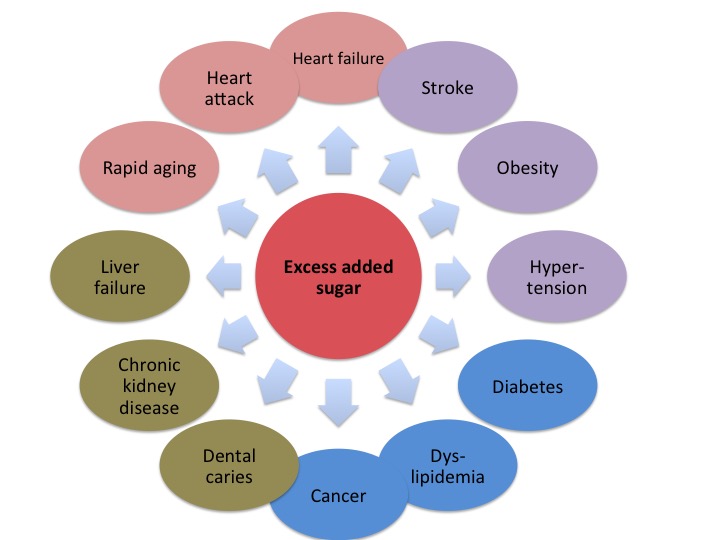
Eating a balanced diet also means avoiding certain foods. Trans fats, excessive sugar, and high sodium levels can lead to heart valve complications. Make mindful choices to keep your heart happy and healthy.
Credit: www.cardiacwellnessinstitute.com
Leafy Greens: Nature’s Heart Tonic
Leafy greens like spinach and kale pack a potent nutritional punch for heart valve health. Rich in fiber, antioxidants, and an array of vitamins, these vegetables are a must-have in any heart-healthy diet. Let’s dive into the specific benefits of these superfoods.
Vitamins And Minerals In Spinach And Kale
Spinach and kale are champions of heart health due to their nutrient profile. These greens contain essential vitamins K, C, and A, along with minerals such as magnesium and potassium. These nutrients support the proper functioning of heart valves.
| Nutrient | Role in Heart Valve Health | Found in Spinach | Found in Kale |
|---|---|---|---|
| Vitamin K | Supports blood clotting | Yes | Yes |
| Vitamin C | Aids repair of tissues | Yes | Yes |
| Vitamin A | Improves immune function | Yes | Yes |
| Magnesium | Regulates muscle function | Yes | Yes |
| Potassium | Controls fluid balance | Yes | Yes |
Incorporating Greens Into Daily Meals
Integrating spinach and kale into your diet is simple and tasty. Here are easy ways to get these leafy greens onto your plate:
- Add to smoothies: Blend spinach or kale with fruits for a nutrient boost.
- Toss in salads: Use them as a base for salads.
- Steam as a side: Lightly steam and season for a quick side dish.
- Layer in sandwiches: Swap out lettuce for spinach or kale in your sandwiches.
- Stir into soups: Stir chopped greens into soups during the last minutes of cooking.
The Power Of Berries
Keeping your heart valves healthy is key to a strong heart. Among the champions for heart health, berries stand out. They pack a punch with both flavor and nutrients. Here’s why you should make them a staple in your diet.
Antioxidants In Blueberries And Strawberries
Blueberries and strawberries are loaded with antioxidants. These substances can protect your cells. They can fight off harmful molecules called free radicals. This protection helps keep heart valves working well.
- Blueberries boast high levels of anthocyanins.
- Strawberries are rich in vitamin C and flavonoids.
Together, these berries support a strong heart and healthy blood vessels.
Creative Ways To Add Berries To Your Diet
It’s easy to get more berries into your meals. Try these fun ideas:
- Morning boost: Add berries to your cereal or yogurt.
- Snack time: Keep a bowl of fresh berries in your fridge.
- Smoothies: Blend them with other fruits for a tasty drink.
- Salads: Mix berries into your greens for a sweet twist.
- Desserts: Use them to top off a cake or pudding.
With these tips, you can enjoy berries daily and help your heart valves stay healthy!
Whole Grains For Whole Heart Health
Eating the right foods can help keep your heart valves in great shape. Whole grains are a powerful food group that can boost your heart health. They retain all parts of the seed: bran, germ, and endosperm. This makes them rich in fiber, vitamins, and minerals. For a strong heart, including whole grains in your diet is a smart move.
Benefits Of Oats
Oats are full of nutrients that are good for your heart valves. They have a type of fiber called beta-glucan. This helps lower cholesterol levels, which is good for healthy blood flow. Oats are also high in antioxidants. These reduce blood pressure by improving blood vessel health. Here’s what makes oats so beneficial:
- High in soluble fiber
- Lower bad cholesterol
- Contain antioxidants
- Improve blood vessel health
Benefits Of Brown Rice
Brown rice is a heart-friendly whole grain. It has more fiber than white rice. This helps in maintaining a healthy weight. Brown rice has nutrients like magnesium. Magnesium helps keep heart rhythm steady. Here’s why brown rice is a good choice:
- Maintains a healthy weight
- Rich in magnesium
- Keeps heart rhythm steady
Benefits Of Quinoa
Quinoa is a super grain with many benefits for heart valves. It is gluten-free and has all nine essential amino acids. Quinoa is also rich in magnesium and fiber. This grain supports a healthy cardiovascular system. Here are the top reasons to eat quinoa:
- Contains all essential amino acids
- High in fiber and magnesium
- Supports the cardiovascular system
Easy Swaps For Refined Grains
Making heart-healthy choices can be simple. Swap out refined grains for whole grains. This is an easy way to improve heart health. Try these swaps:
| Refined Grain | Whole Grain Swap |
|---|---|
| White bread | Whole wheat bread |
| White rice | Brown rice or quinoa |
| Regular pasta | Whole wheat pasta |
| Cereal with sugar | Oats or muesli |
Remember, these swaps are not only better for your heart. They also keep you full longer. Start with one swap and then try more!
Omega-3 Rich Fish: An Ocean Of Benefits
Discover how omega-3 rich fish can boost heart valve health. These deep sea treasures are a powerhouse of nutrients. They are crucial for a strong heart. Omega-3 fatty acids help keep heart valves flexible. They also reduce inflammation. Embrace the world of omega-3 rich fish for a happier, healthier heart.
Salmon
Salmon reigns supreme in heart health. It is a top source of omega-3s. This fish maintains heart rhythm. It also lowers blood pressure. A weekly dish of salmon may protect your heart’s greatest assets.
Mackerel
Mackerel is another hero for the heart. Just like salmon, it is an omega-3 giant. Mackerel keeps blood vessels supple. It is your ally in the fight against heart disease.

The Role Of Fatty Acids
- Fatty acids are fundamental for heart health.
- They reduce clotting risks.
- Omega-3s, found in fish, are especially good for valves.
- They ensure valves open and close right.
Recommended Weekly Servings
| Fish Type | Servings Per Week |
|---|---|
| Salmon | 2-3 |
| Mackerel | 2-3 |
Eating two to three servings of these fish per week is ideal. It can keep your heart valves in top shape. Omega-3 rich fish is delicious and healthy.
Nuts And Seeds: Tiny Titans For Heart Valves
Nuts and Seeds: Tiny Titans for Healthy Heart Valves
Small in size, mighty in nutrients; nuts and seeds are powerhouses for the heart. Packed with healthy fats, proteins, and essential minerals, they keep heart valves in top shape. Let’s dive into some nutritious varieties that your heart will thank you for.
Almonds
Almonds: Loaded with vitamin E, magnesium, and monounsaturated fats. Ideal for valve flexibility and reducing inflammation.
- Vitamin E: Antioxidant protecting cells.
- Magnesium: Helps with nerve function and blood pressure regulation.
- Monounsaturated Fats: Keep cholesterol levels healthy.
Walnuts
Walnuts: Rich in omega-3s, particularly alpha-linolenic acid (ALA), supporting heart rhythm and decreasing clot risk. Essential for a strong heart valve function.
| Nutrient | Benefit |
|---|---|
| Omega-3s | Supports heart health |
| ALA | Improves heart rhythm |
Chia Seeds’ Nutritional Value
Chia Seeds: Tiny warriors boasting fiber, protein, and omega-3s. They help maintain blood pressure and promote valve health.
- Fiber: Aids digestion and heart health.
- Protein: Essential for repairing body tissue.
- Omega-3s: Essential fats for cardiovascular health.
Smart Snacking With Nuts And Seeds
Snack smart! Choose nuts and seeds over processed snacks. Portion control is key — a handful can make a difference for your heart valves. Remember to opt for raw or dry-roasted varieties to avoid extra oils and salts. Mix them into salads, oatmeal, or enjoy them solo as a heart-healthy snack!
- Handful-size portions prevent overeating.
- Raw and dry-roasted offer the most benefits.
- Versatile in meals or stand-alone snacks.
Legumes: A Leg-up For Heart Valve Health
Your heart is the powerhouse of your body, tirelessly pumping blood through chambers and valves. Keeping those valves in top shape is crucial for maintaining a strong and healthy heart. Incorporating legumes into your diet is a smart move for your heart valve health. Legumes, such as beans and lentils, are nutrient powerhouses that offer an array of benefits for your heart’s functioning.
How Beans And Lentils Support Heart Function
The magic of legumes lies in their rich composition. They host a spectrum of nutrients vital for heart health. With a high-fiber content, beans and lentils help in reducing cholesterol, thus taking the load off your heart valves. They are also packed with phytochemicals that have a positive impact on blood pressure. Here’s how these small but mighty foods can help:
- Lower Bad Cholesterol (LDL): The soluble fiber in legumes binds to cholesterol, aiding its exit from the body.
- Regulate Blood Pressure: Potassium in legumes helps counterbalance sodium, easing tension in blood vessels.
- Improve Overall Heart Health: Magnesium contributes to healthy heart rhythms and functioning of heart valves.
Legume-based Recipes To Try
Thinking about adding more beans and lentils to your diet for your heart valve health? Try these simple yet delicious recipes. Not only will your taste buds thank you but your heart valves will too!
- Hearty Lentil Soup: Start with a base of carrots, onions, and garlic, then add lentils and simmer until tender.
- Bean Salad: Mix black beans, corn, diced tomatoes, and avocado with a squeeze of lime for a zesty side.
- Chickpea Curry: Sauté chickpeas with diced tomatoes, spinach, and aromatic spices for a warm, comforting dish.
Each recipe promises to be a treat for your heart and a boost for your valve health. Try incorporating legumes into your meals a few times a week.
Heart-friendly Oils
Heart-Friendly Oils play a pivotal role in nurturing healthy heart valves. These oils, rich in beneficial fats, support overall heart health. Including the right oils in your diet can mean the difference between constriction and smooth sailing for your heart valves. Let’s explore the best heart-friendly oils to keep your ticker in top shape.
Choosing Olive Oil Over Saturated Fats
Turning the spotlight on olive oil, this heart hero deserves a round of applause. Olive oil is rich in monounsaturated fats. These fats help manage cholesterol levels. This balance is great for your heart valves. Ditching saturated fats found in butter and lard for olive oil can lead to a happier heart.
- Reduces bad cholesterol which clogs arteries
- Boosts good cholesterol assisting heart function
- Lowers blood pressure, easing heart valve workload
Balancing Healthy Fats In Your Diet
Harmony is key, and balancing fats is like creating a symphony for your heart. Healthy fats from various oils play different roles. They all contribute to heart valve health. Embracing a mix of monounsaturated and polyunsaturated fats does your body a favor.
| Type of Fat | Oil Source | Heart Benefit |
|---|---|---|
| Monounsaturated | Olive, Avocado | Manage cholesterol |
| Polyunsaturated | Walnut, Flaxseed | Reduce inflammation |
Adding a variety of oils such as avocado, walnut, and flaxseed oil alongside olive oil ensures a well-rounded intake. These oils are champions for your heart valves. They promote flexibility and reduce stress on your heart.
Remember, moderation is the secret. Use these oils smartly in your cooking and dressings. They will bless your heart with each beat.
The Scoop On Fiber
Think of your heart as a high-performance engine. Just like premium fuel keeps a sports car running smoothly, fiber-rich foods help keep your heart valves in top shape. Fiber does wonders for heart health. It’s linked to lower risks of heart diseases and helps your heart valves function well. Let’s delve into how fiber helps and discover the best fiber sources for a healthy heart.
Fiber’s Role In Cholesterol Management
Fiber is a heart’s best friend. This nutrient is key in managing cholesterol levels. Soluble fiber, in particular, acts like a sponge. It soaks up cholesterol in the bloodstream before it can stick to your arteries. This helps to keep your heart valves clean and working perfectly. With the right amount of fiber, you’re less likely to face blockages or heart valve issues.
- Oats – known for their cholesterol-lowering powers
- Beans – a delightful mix of protein and fiber
- Apple pectin – a natural cholesterol absorber
- Flaxseeds – sprinkle on meals for a fiber boost
Top Fiber-rich Foods
Unlock the power of fiber with these superhero foods. They’re not only delicious but also packed with the fiber your heart loves. Enjoy a variety of these foods every day to keep your heart valves happy.
| Food | Fiber Content |
|---|---|
| Lentils | 15.6g per cup |
| Chia Seeds | 10.6g per ounce |
| Broccoli | 5.1g per cup |
| Barley | 6g per cup |
Balance is key in a heart-healthy diet. Include a mix of the above foods to get your daily fiber fix. Remember, fresh and whole foods are your allies in maintaining a strong heart and healthy valves. Embrace the variety and let fiber do its magic!
Hydration And Heart Valves
Keeping our heart valves healthy is crucial for a strong heart. Proper hydration plays a key role in this mission. Our heart valves manage blood flow through the heart. They need the right balance of fluids to work well. Let’s dive into how water, and the drinks we consume, affect these vital parts of our heart.
The Importance Of Water
Water is essential for our body’s functions. It helps our blood carry nutrients. Our heart valves also need it to function smoothly. Enough water in our system means heart valves can do their job better. Aim for 8 glasses daily for good heart valve health.
- Carries oxygen and nutrients to heart cells
- Helps blood flow smoothly through valves
- Maintains blood pressure, protecting heart health
Limiting Caffeine And Alcohol
Caffeine and alcohol can stress our heart. They make our heart valves work harder. This is not good for heart health. We can enjoy these drinks, but it’s important to limit them.
| Drink Type | Effects on Heart Valves | Suggested Limit |
|---|---|---|
| Caffeine | Increases heart rate | 1-2 cups a day |
| Alcohol | May increase blood pressure | 1 drink max for women, 2 for men |
Too much caffeine can lead to irregular heartbeats. Drinking a lot of alcohol can lead to higher blood pressure. Both are bad for heart valves. Enjoy a cup of coffee or a glass of wine, but remember to always balance with more water.
Putting It All Together
Knowing which foods benefit your heart valves can be life-changing. A diet rich in certain nutrients supports heart valve function. This section will guide you on bringing these ingredients into a balanced plan.
Planning A Heart Valve-friendly Diet
Focusing on the right nutrients is vital for heart valve health. Start with these steps:
- Choose lean proteins: Opt for fish, poultry, and legumes.
- Include whole grains: Look for quinoa, brown rice, and oats.
- Edit your fats: Use olive oil and avoid trans fats.
- Add fruits and vegetables: They offer essential vitamins.
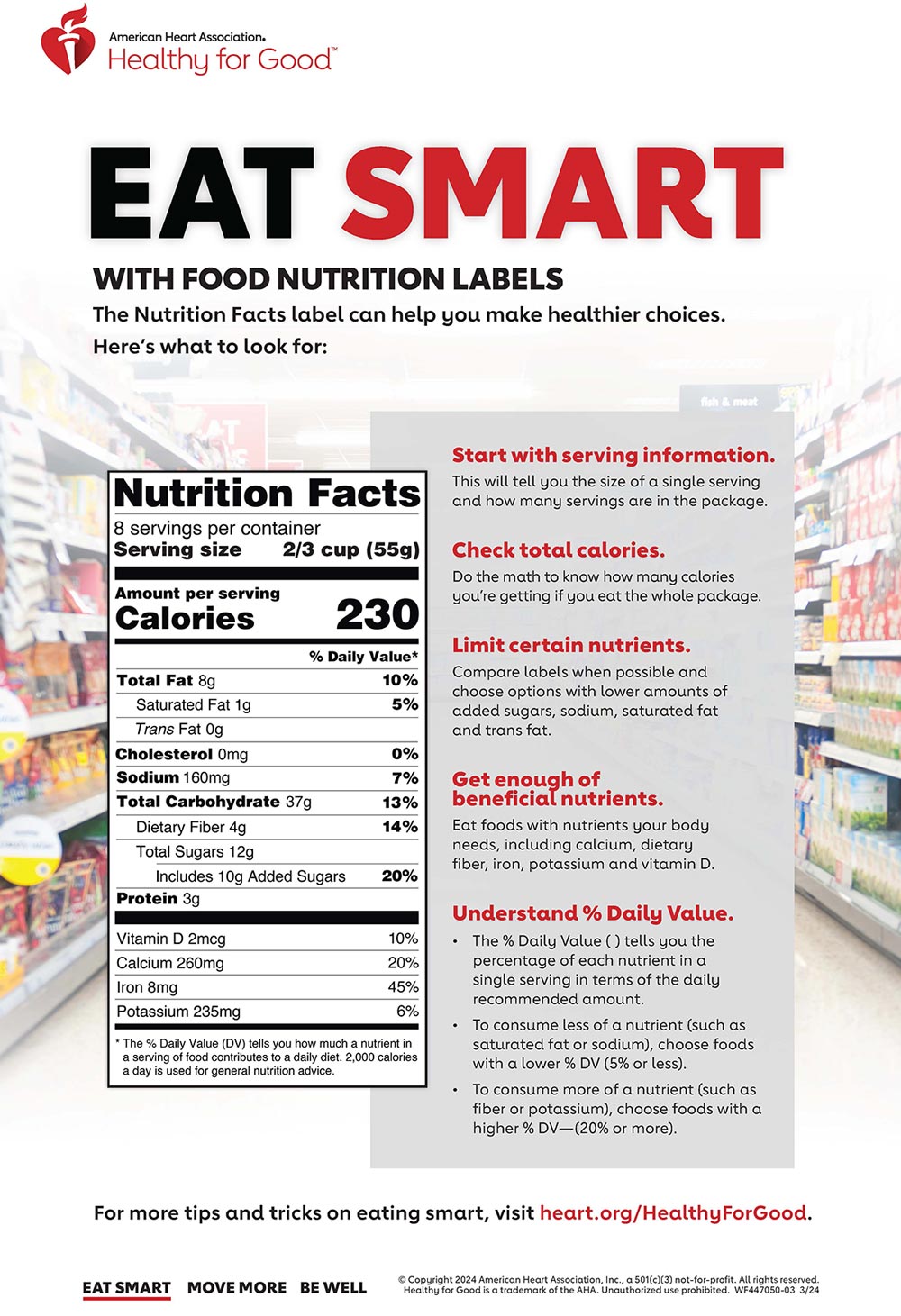
Remember to limit sodium intake and manage portion sizes.
Meal Ideas And Schedules
Here are daily meal plans to keep your heart valves happy.
| Day | Breakfast | Lunch | Dinner | Snack |
|---|---|---|---|---|
| Monday | Oatmeal with berries | Grilled chicken salad | Baked salmon with veggies | Almonds and apple slices |
| Tuesday | Yogurt with nuts | Turkey wrap with avocado | Stir-fried tofu with quinoa | Carrots and hummus |
Regular meals at the same time each day aid digestion and heart health.
Credit: www.heart.org
Frequently Asked Questions For What Foods Are Good For Heart Valves
What Is The Best Fruit For Heart Valve?
Berries, specifically blueberries, are excellent for heart valve health due to their high antioxidant content. They help reduce inflammation and improve blood flow.
How Can I Strengthen My Heart Valve Naturally?
Maintain a heart-healthy diet rich in fruits, vegetables, and whole grains. Engage in regular cardiovascular exercise. Manage stress through relaxation techniques like meditation. Control blood pressure and cholesterol levels. Avoid smoking and limit alcohol intake.
What Are The Three Foods That Heal Your Heart?
Three heart-healing foods include fatty fish rich in omega-3s, leafy green vegetables, and whole grains known for dietary fiber.
What Destroys Heart Valves?
Various factors can damage heart valves, including infections like endocarditis, rheumatic fever, and degenerative conditions. Heart attacks and congenital defects may also lead to valve damage. Regular check-ups can help detect issues early.
Conclusion
Embracing a heart-healthy diet matters for your valves’ well-being. Focus on nutrient-rich greens, lean proteins, and omega-3 fatty acids. Remember, every meal is a chance to support valve health. Make wise choices; your heart will thank you. Nourish your body and safeguard your heart with each bite.
