
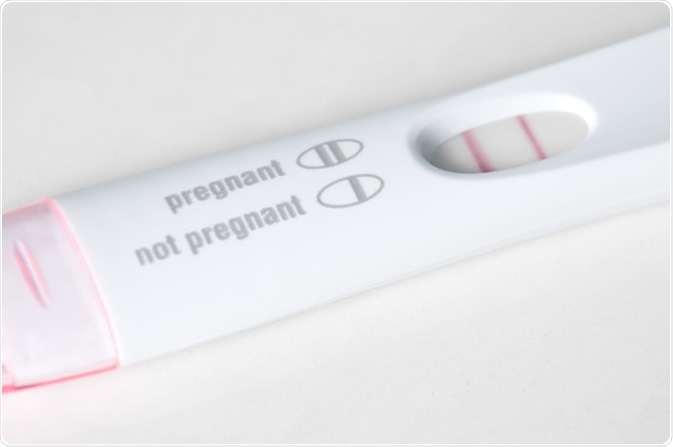
A cryptic pregnancy ultrasound may not detect a pregnancy for various reasons, often causing confusion and concern. This condition, also known as a stealth pregnancy, eludes typical detection.
Cryptic or stealth pregnancy continues to be a source of mystery within the medical community, challenging both expecting mothers and healthcare professionals. It occurs when a woman is pregnant but standard tests, including ultrasounds, fail to recognize the gestation. Understanding the nuances of cryptic pregnancy is crucial, as it impacts not only prenatal care but also the psychological well-being of the woman.
With accurate information, individuals can navigate the uncertainties of this condition. Despite its rarity, the phenomenon sparks discussions about the limitations of diagnostic tools and the importance of attentiveness to the body’s signals. Addressing cryptic pregnancies requires a careful approach to minimize risks and ensure a safe pregnancy journey.
- Ultrasound Picture Frames – Baby Sonogram Picture: Check Latest Price
- Baby Sonogram Picture Frame – Modern Ultrasound Frame: Check Latest Price
- Yudarte New Mom Gifts – Pregnancy Announcements: Check Latest Price
- Pearhead Love at First Sight Sonogram Picture Frame: Check Latest Price
- Bezibyal Multi DOPPLEX II-Doppler Pregnant Monitor: Check Latest Price
- Portable Ultrasound Scanner Veterinary Pregnancy: Check Latest Price

Credit: nypost.com
The Concealed Phenomenon Of Cryptic Pregnancy
Cryptic pregnancy remains a mystery in the medical world. This rare situation occurs when a woman is unaware of her pregnancy. Often, it comes to light only at a very late stage or at birth.
Defining Cryptic Pregnancy
A cryptic pregnancy, also known as a stealth pregnancy, escapes usual detection. Common signs like missed periods or a growing belly may not appear. These pregnancies can evade even modern medical tests like ultrasounds.
Statistical Rarity And Popularity
Cryptic pregnancies are not common. Studies suggest they occur in 1 out of 475 pregnancies. Despite their rarity, tales of cryptic pregnancies fascinate people. Documentaries and social media discussions often feature this topic, reflecting a wide public interest.
| Aspect | Details |
|---|---|
| Prevalence | 1 in 475 pregnancies |
| Detection | Missed by common signs and tests |
| Public Interest | High, with media coverage |

Credit: www.umc.edu
Cryptic Pregnancy Ultrasound Challenges
Cryptic pregnancy means a pregnancy that goes unnoticed by the mother until delivery or late in pregnancy. This can happen for various reasons. Ultrasound challenges make cryptic pregnancies hard to detect. We will explore two main hurdles: false negatives and technological limitations, as well as factors influencing ultrasound readings.
False Negatives And Technological Limitations
False negatives in ultrasound can cause a big surprise. It means the test says “no baby” when there is one. Sometimes, the machines we use are not perfect. Technological limitations can miss a baby growing.
- Machine Quality: Not all ultrasound machines are the same. Some have better pictures than others.
- Operator Skill: The person doing the ultrasound must be well-trained. They need to know what to look for.
Factors Influencing Ultrasound Readings
Many factors can change what we see on an ultrasound. The mom’s body, baby’s position, and even timing are important.
| Mom’s Body | Baby’s Position | Ultrasound Timing |
|---|---|---|
| Extra body tissue can hide the baby. | The baby may be tucked in a corner and missed. | If the test is too early, the baby might be too small to see. |
Expert readings and high-quality equipment can help. Understanding these challenges can also prepare us for cryptic pregnancy surprises.
Medical Community Skepticism
The topic of cryptic pregnancy often brings a wave of skepticism within the medical community. This skepticism is not unfounded, as these pregnancies challenge traditional diagnostic methods. Understanding the skepticism helps in delving deeper into the subject matter.
Healthcare Professionals’ Perspectives
Doctors and sonographers experience confusion when routine ultrasounds fail to detect a pregnancy. This rare phenomenon, known as a cryptic pregnancy, leaves many questioning its validity. Medical experts rely on technology and facts. When cryptic pregnancies occur, they face a scenario that doesn’t fit the usual medical narrative.
Below are some points that shed light on the healthcare community’s views on cryptic pregnancies:
- Reliance on standard procedures: Medical tests that usually confirm pregnancy sometimes show negative results in cases of cryptic pregnancy.
- Case rarity: Cryptic pregnancy is rare, which contributes to the limited understanding and skepticism.
- Documentation and studies: Few studies add to the skepticism as less scientific literature is available to support the condition.
Handling Diagnostic Uncertainties
Medical professionals have to navigate uncertainties when standard diagnostic tools fail. It’s a delicate balance between trusting technology and acknowledging its limits. Health care providers must remain open to all possibilities while ensuring they provide sound medical advice.
Here are approaches for handling diagnostic uncertainties:
- Further testing: Conducting additional tests and seeking second opinions can help clarify the situation.
- Early detection challenges: Acknowledging that some pregnancies elude early detection may guide different diagnostic paths.
- Patient interaction: Keeping open communication lines with patients, understanding their concerns, and checking for physical signs can be crucial.

Credit: www.dailymail.co.uk
Psychological Impact On Expectant Mothers
The Psychological Impact on Expectant Mothers during a cryptic pregnancy often goes undiscussed. A cryptic pregnancy is one where the mother is unaware of her pregnancy until late stages or until birth. This can trigger a range of emotions – from shock and confusion to anxiety and joy. Understanding the mental journey of these mothers is crucial.
Coping With Unexpected Discoveries
Finding out about a pregnancy unexpectedly can be startling. Here are some ways to manage this:
- Seek support from friends, family, or professionals.
- Take time to process the news without rush.
- Gather information about options and resources.
- Focus on well-being through balanced nutrition, rest, and exercise.
These steps can help stabilize emotions and prepare for the road ahead. It’s normal to feel overwhelmed. Embrace each emotion as it comes, and trust the process.
Mental Health Considerations In Cryptic Pregnancies
Expectant mothers in cryptic pregnancies face unique mental health challenges:
- Shock and denial due to sudden discovery may occur.
- Stress and anxiety about the future might surface.
- Depression linked to lack of prenatal care can manifest.
- Guilt or shame for not recognizing pregnancy signs might emerge.
Professional counseling and peer support groups can offer solace and understanding. Being proactive about mental health is key.
Mental care ensures mothers navigate their unique journey with empowerment. Remember, mental health is as crucial as physical health during pregnancy.
Case Studies And Anecdotal Experiences
The topic of cryptic pregnancies often resonates with a mix of fascination and curiosity. Within this realm, case studies and anecdotal experiences provide a window into the rare and perplexing world of pregnancies that go unnoticed. These unique instances offer insights and shed light on the complexities of human biology.
Documented Instances Of Cryptic Pregnancies
Instances of cryptic pregnancy, though uncommon, are meticulously documented when they occur. Ranging from academic case reports to personal accounts, these documents reveal the phenomenon where women are unaware of their pregnancy until very late in the term or until birth. Accounts include:
- Medical Journals: Medical journals often detail cases, advancing our understanding of cryptic pregnancies.
- News Articles: Various news platforms have highlighted individual stories, contributing to public awareness.
These documented instances not only provide validation but also help medical professionals better recognize the condition.
Analyzing Ultrasound Imagery
Ultrasound imagery stands as a cornerstone in prenatal diagnosis. However, when it comes to cryptic pregnancy, these images can sometimes be misleading or misinterpreted. Insights from these instances include:
- Subtle cues in ultrasounds that may be overlooked.
- Instances where traditional ultrasound signs of pregnancy are absent or unclear.
Assessing ultrasound imagery from cryptic pregnancies offers vital lessons for improving diagnostic techniques and raises awareness of the condition’s existence.
Advancements In Ultrasound Technology
An astonishing leap in ultrasound technology has revamped prenatal care. This leap is crucial for diagnosing cryptic pregnancies, where symptoms may be invisible or misleading. Newer ultrasound innovations boast remarkable improvements in imaging clarity. They reveal even the most enigmatic fetal development signs. Now, let’s delve into how these advancements are revolutionizing cryptic pregnancy detection.
Improving Detection Rates
Modern ultrasound technology has transformed fetal imaging. The improved resolution and sharper images lead to better detection. Especially in cryptic pregnancies, where every detail matters.
- Enhanced imaging techniques capture clearer fetal images.
- Doppler ultrasounds detect fetal heartbeats with precision.
- Advanced software analyzes minute changes that might indicate pregnancy.
Such improvements heighten the ability to spot pregnancies. They often go unnoticed until later stages or evade detection completely. With these tools, healthcare providers can diagnose more accurately. Hence, they ensure timely prenatal care.
Fostering Trust In Medical Imaging
Trust in medical imaging is paramount. Families and doctors alike must have confidence in the results presented. With high-definition 3D and 4D imaging, expectant mothers can now see detailed representations of their unborn child. This visual assurance builds a stronger, trust-filled relationship between patients and healthcare professionals.
Ultrasound technicians can share detailed scans. These scans highlight aspects of fetal development that were once challenging to decipher. Such detail fosters trust and peace of mind for expectant mothers. It strengthens the bond with their healthcare provider.
| Technology | Benefits |
|---|---|
| 3D Ultrasound | Life-like fetal images |
| 4D Ultrasound | Real-time fetal movement |
Frequently Asked Questions For Cryptic Pregnancy Ultrasound
Can Ultrasounds Detect Cryptic Pregnancy?
Most standard ultrasounds may not detect a cryptic pregnancy initially. Cryptic pregnancies often don’t follow typical timelines and presentations, leading to less recognizable signs on an ultrasound. However, in later stages, an ultrasound might eventually reveal the pregnancy.
What Are Signs Of A Cryptic Pregnancy?
Signs of a cryptic pregnancy are usually less pronounced. They can include irregular or absent menstrual periods, subtle or no pregnancy symptoms, and a lack of awareness of fetal movement. Weight gain might be minimal or attributed to other factors.
How Rare Is A Cryptic Pregnancy?
Cryptic pregnancies are relatively rare, occurring in approximately 1 out of every 475 pregnancies. They are less likely to be detected early due to the absence or subtlety of typical pregnancy symptoms and signs.
How Long Can A Cryptic Pregnancy Last?
A cryptic pregnancy can last beyond the typical 40-week gestation period. It may go undetected for a few months to the entire duration of the pregnancy, sometimes being recognized only at birth or shortly before.
Conclusion
Navigating the nuances of a cryptic pregnancy can be overwhelming. Ultrasound remains a pivotal tool in uncovering these hidden journeys. Embracing patience and medical guidance is key. As awareness grows, understanding these unique experiences paves the way for tailored support and care.
Stay informed, stay supported.
