
Introduction
Reduce Free Radicals in the Body: Free radicals are highly reactive molecules that can cause damage to cells, proteins, and DNA in the body. They are produced as natural byproducts of metabolic processes, but their levels can increase due to factors like pollution, poor diet, and stress. Excessive free radicals can lead to oxidative stress, which is associated with various diseases such as cancer, cardiovascular disease, and aging. Fortunately, there are several strategies you can adopt to reduce free radicals in the body and promote overall health and well-being.
Understanding Free Radicals: Reduce Free Radicals in the Body
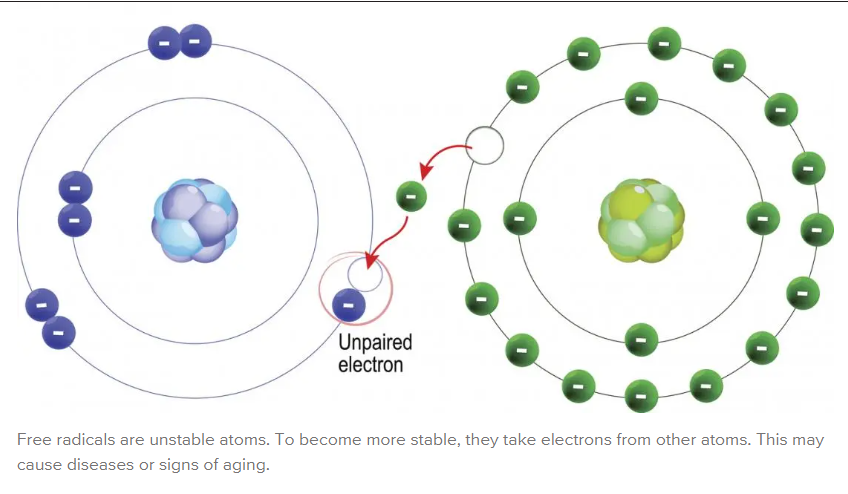
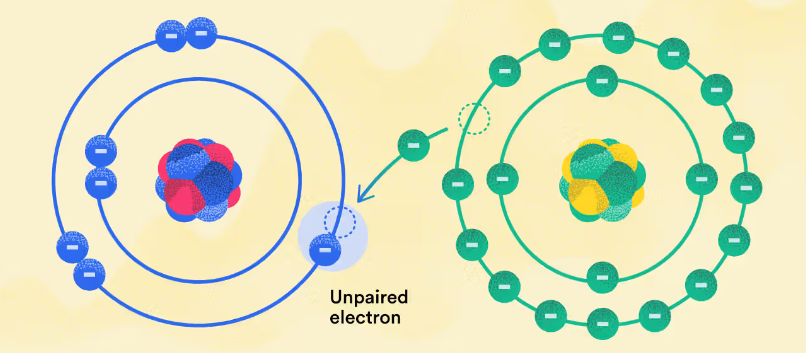
Free radicals are unstable molecules with unpaired electrons, making them highly reactive. They seek to stabilize themselves by stealing electrons from other molecules, which can initiate a chain reaction of cellular damage. Common sources of free radicals include environmental pollutants, cigarette smoke, alcohol, fried foods, and even excessive exercise.
The Importance of Antioxidants: Reduce Free Radicals in the Body
Antioxidants are compounds that neutralize free radicals, preventing them from causing harm to cells and tissues. They work by donating electrons to stabilize free radicals without becoming reactive themselves. Consuming a diet rich in antioxidants is essential for combating oxidative stress and reducing the risk of chronic diseases.
NOW Supplements, Glutathione 500 mg: Check Latest Price
Simply Nature’s Promise – Packed with Over 40: Check Latest Price
NOW Supplements, Olive Leaf Extract 500 mg: Check Latest Price
NOW Supplements, NAC (N-Acetyl-Cysteine) 1,000 mg: Check Latest Price

Strategies to Reduce Free Radicals: Reduce Free Radicals in the Body
- Eat a Balanced Diet: Incorporating a variety of fruits, vegetables, whole grains, and lean proteins into your diet provides essential nutrients and antioxidants that help combat free radicals. Foods high in vitamins C and E, beta-carotene, and selenium are particularly effective in reducing oxidative stress.
- Stay Hydrated: Drinking an adequate amount of water is crucial for flushing out toxins and maintaining cellular function. Aim to drink at least eight glasses of water a day to support your body’s natural detoxification processes.
- Limit Exposure to Toxins: Minimize your exposure to environmental pollutants, cigarette smoke, and harmful chemicals found in household products. Opt for natural cleaning solutions and avoid using plastic containers for food storage to reduce your intake of harmful chemicals like BPA.
- Practice Stress Management: Chronic stress can increase the production of free radicals in the body. Incorporate stress-reducing activities such as meditation, yoga, deep breathing exercises, or spending time in nature to promote relaxation and improve overall well-being.
- Exercise Regularly: While intense exercise can temporarily increase free radical production, regular physical activity has long-term benefits for reducing oxidative stress. Aim for a combination of cardiovascular exercise, strength training, and flexibility exercises to support overall health.
- Get Sufficient Sleep: Adequate sleep is essential for cellular repair and regeneration. Aim for seven to eight hours of quality sleep each night to support your body’s natural antioxidant defenses and reduce oxidative damage.
- Avoid Processed Foods: Processed foods are often high in unhealthy fats, sugars, and additives that promote inflammation and oxidative stress. Opt for whole, nutrient-dense foods whenever possible to support optimal health and reduce free radical formation.

TruSkin Vitamin C Face Serum – Anti Aging Facial Serum : Check Latest Price
PURA D’OR 4 Oz ORGANIC Vitamin E Oil: Check Latest Price
Premium 20% Vitamin C Serum For Face with Hyaluronic Acid: Check Latest Price
Frequently Asked Questions (FAQs) for Reduce Free Radicals in the Body
1. What are the main sources of free radicals in the body?
- Free radicals can be generated internally as byproducts of metabolism or externally from sources such as pollution, cigarette smoke, alcohol, fried foods, and exposure to UV radiation.
2. How do antioxidants work to combat free radicals?
- Antioxidants neutralize free radicals by donating electrons, thereby stabilizing them and preventing cellular damage. Common antioxidants include vitamins C and E, beta-carotene, and selenium.
3. Can dietary supplements help reduce free radicals?
- While dietary supplements can provide additional antioxidants, it’s best to obtain nutrients from whole foods whenever possible. Consuming a diverse range of fruits, vegetables, and other nutrient-rich foods is the most effective way to support antioxidant defenses.
4. Are there specific foods that are particularly high in antioxidants?
- Yes, foods such as berries, leafy greens, nuts, seeds, citrus fruits, and colorful vegetables are rich in antioxidants. Including these foods in your diet can help reduce oxidative stress and support overall health.
5. Can stress management techniques really help reduce free radicals?
- Yes, chronic stress can contribute to oxidative stress by increasing the production of free radicals in the body. Practicing stress management techniques such as meditation, yoga, or deep breathing exercises can help reduce stress levels and promote overall well-being.
Conclusion: Reduce Free Radicals in the Body
Reducing free radicals in the body is essential for maintaining optimal health and reducing the risk of chronic diseases. By adopting a balanced diet, staying hydrated, minimizing exposure to toxins, practicing stress management, exercising regularly, getting sufficient sleep, and avoiding processed foods, you can support your body’s natural antioxidant defenses and promote overall well-being. Incorporating these strategies into your daily routine can help protect against oxidative stress and enhance longevity and vitality.
