
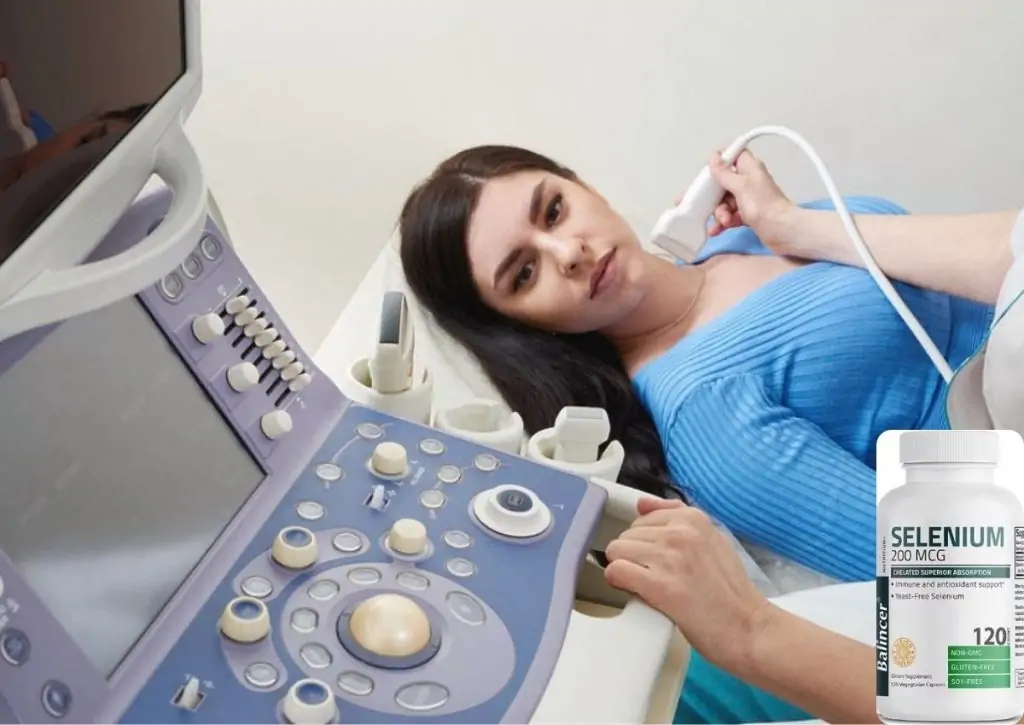
Introduction: Effective Treatment for Thyroid Disorders
Effective Treatment for Thyroid Disorders: The thyroid gland, a small butterfly-shaped organ in your neck, plays a crucial role in regulating your metabolism, energy levels, and overall health. When the thyroid malfunctions, it can lead to various complications, affecting your daily life significantly. In this comprehensive guide, we’ll explore the various treatments available for thyroid disorders, answer common questions, and provide expert advice to help you manage thyroid conditions effectively.
Thyroid Support Complex Contains Selenium Capsules for Energy Levels, Metabolism, Fatigue and Brain Function:


Thyroid: What is it?
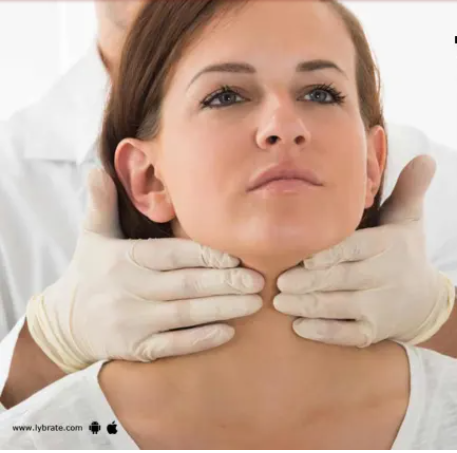
The thyroid gland is a butterfly-shaped gland that sits just above the collarbone in your neck. It produces thyroid hormone, which controls many body processes, including your metabolism—which includes how quickly you burn calories and how quickly your heart beats.
In general, between 5% and 10% of the population has thyroid disease, which, if untreated, frequently results in chronic illnesses. For this reason, it’s critical that you keep up to date with thyroid disease symptoms and treatments.
Any medical condition that keeps your thyroid from making the right amount of hormones is referred to as thyroid illness. The thyroid normally creates the hormones needed to keep the body functioning properly. The body burns through energy quickly when the thyroid generates too much thyroid hormone. We call this hyperthyroidism.
Beyond only making you tired, excessive energy usage can also make your heart beat more quickly, make you lose weight unintentionally, and even induce anxiety. Conversely, the thyroid might not produce enough thyroid hormone. We call this hypothyroidism. When your body doesn’t produce enough thyroid hormone, you could feel exhausted, gain weight, and may even be unable to tolerate cold temperatures.
Thyroid Support Complex Contains Selenium Capsules for Energy Levels, Metabolism, Fatigue and Brain Function:
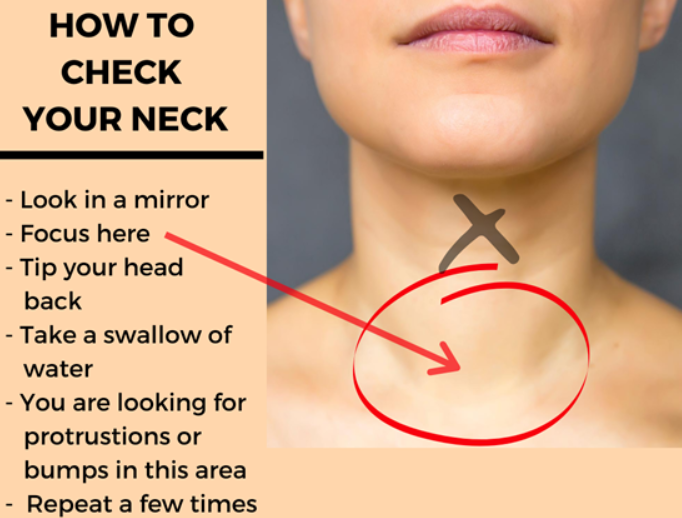
Effective Treatment for Thyroid Disorders: What are the symptoms of Thyroid Disease?
Hypothyroidism
- Feeling cold
- Weight gain
- Feeling sad, anxious, or depressed
- Pale, dry skin
- Dry, thinning hair
- Irregular menstrual bleeding
- High LDL or “bad” cholesterol which can raise your risk for heart disease
Hyperthyroidism
- Feeling hot
- Weight loss
- Feeling nervous, anxious, or irritable
- Trembling hands and fingers
- Bulging of the eyes, redness, or irritation
- Irregular menstrual periods
- Diarrhea or more bowel movements than normal
Understanding Thyroid Disorders: Effective Treatment for Thyroid Disorders
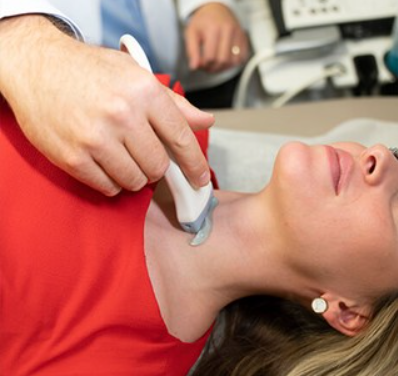
Before delving into treatment options, it’s essential to understand the types of thyroid disorders. The two primary conditions are hypothyroidism and hyperthyroidism.
- Hypothyroidism:
- Occurs when the thyroid gland doesn’t produce enough hormones.
- Symptoms include fatigue, weight gain, cold intolerance, and depression.
- Common causes include autoimmune diseases like Hashimoto’s thyroiditis and iodine deficiency.
- Hyperthyroidism:
- Characterized by an overactive thyroid gland, leading to excessive hormone production.
- Symptoms may include weight loss, rapid heartbeat, anxiety, and heat intolerance.
- Graves’ disease and thyroid nodules are frequent causes of hyperthyroidism.
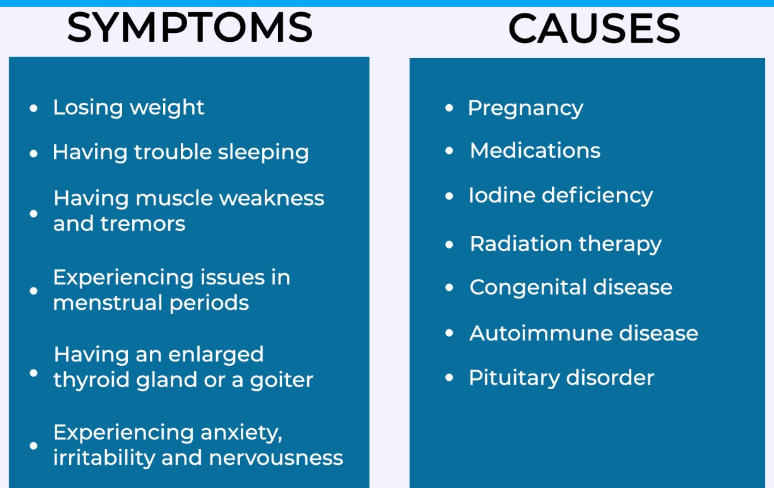
Thyroid Support Complex Contains Selenium Capsules for Energy Levels, Metabolism, Fatigue and Brain Function:

Who is susceptible to thyroid conditions?
Thyroid disease can strike any age group, including women, men, children, and the elderly. It typically manifests as hypothyroidism at birth, although it can also develop with aging. One of the main causes of thyroid dysfunction is reputation as one of the region’s most iodine-deficient nations. The prevalence of thyroid disorder is as high as 4.1% in adults and 5.4% in children. Females are more likely than males to have hypo- or hyperthyroidism.
What are the thyroid disease risk factors?
Family background
possess a medical ailment (such as rheumatoid arthritis, lupus, type 1 diabetes, or pernicious anemia).
Take an iodine-rich medicine.
are over 60, particularly in women
had treated for cancer or a thyroid issue in the past
Treatment Options:
The treatment approach for thyroid disorders varies depending on the specific condition, its severity, and individual factors such as age and overall health. Here are the main treatment options:
- Medication:
- For hypothyroidism, synthetic thyroid hormone replacement medication, such as levothyroxine, is prescribed to restore hormone levels to normal.
- Hyperthyroidism may be managed with antithyroid drugs like methimazole or propylthiouracil, which reduce hormone production.
- Radioactive Iodine Therapy:
- Commonly used to treat hyperthyroidism, this therapy involves ingesting radioactive iodine, which selectively destroys thyroid cells, thus reducing hormone levels.
- It’s a non-invasive treatment option with a high success rate, but it may lead to hypothyroidism requiring lifelong hormone replacement therapy in some cases.
- Surgery (Thyroidectomy):
- Surgical removal of part or all of the thyroid gland is recommended in certain cases, such as large thyroid nodules, thyroid cancer, or severe hyperthyroidism unresponsive to other treatments.
- While effective, surgery carries risks such as damage to the parathyroid glands or recurrent laryngeal nerve, which can affect calcium levels and voice function, respectively.
- Dietary Changes and Supplements:
- Iodine-rich foods like seafood and iodized salt may benefit individuals with iodine deficiency-related thyroid disorders.
- Additionally, certain supplements like selenium and vitamin D may support thyroid health, although their efficacy varies, and consultation with a healthcare provider is advised.
- Alternative Therapies:
- Some people explore alternative treatments such as acupuncture, herbal remedies, or mind-body techniques like yoga and meditation to complement conventional therapies.
- While these approaches may offer symptom relief for some individuals, scientific evidence supporting their effectiveness in treating thyroid disorders is limited, and they should be used cautiously.
Thyroid Support Complex Contains Selenium Capsules for Energy Levels, Metabolism, Fatigue and Brain Function:

Frequently Asked Questions (FAQs):Effective Treatment for Thyroid Disorders
Q1: Can thyroid disorders be cured completely? A1: While thyroid disorders can often be effectively managed with treatment, achieving a complete cure depends on various factors such as the underlying cause, treatment approach, and individual response. In some cases, such as autoimmune thyroid conditions, remission may occur, but lifelong management is typically necessary.
Q2: How long does it take for thyroid medication to work? A2: The onset of action of thyroid medication varies depending on factors such as the specific medication, dosage, and individual metabolism. Some individuals may notice improvements in symptoms within a few weeks of starting treatment, while others may require several months for optimal results. Regular monitoring and dosage adjustments by a healthcare provider are essential for ensuring therapeutic efficacy.
Q3: Are there any natural remedies for thyroid disorders? A3: While certain dietary changes, supplements, and lifestyle modifications may complement conventional thyroid treatment and support overall health, it’s crucial to consult with a healthcare provider before trying any natural remedies. While some remedies like iodine supplementation may be beneficial in specific cases, others may interact with medications or worsen thyroid function if used inappropriately.
Q4: Can thyroid disorders affect fertility and pregnancy? A4: Thyroid disorders, particularly untreated or poorly controlled hypothyroidism and hyperthyroidism, can impact fertility and increase the risk of complications during pregnancy, such as miscarriage, preterm birth, and developmental issues in the baby. Proper management of thyroid function before and during pregnancy is crucial for optimizing maternal and fetal health.
Expert Advice: Dr. Emily Johnson, an endocrinologist specializing in thyroid disorders, emphasizes the importance of individualized treatment and regular monitoring for optimal outcomes. “Thyroid disorders are complex conditions that require personalized management tailored to each patient’s unique needs,” says Dr. Johnson. “Collaboration between patients and healthcare providers is essential for achieving symptom control, minimizing complications, and enhancing quality of life.”
Conclusion: Effective Treatment for Thyroid Disorders
Effective treatment for thyroid disorders involves a multifaceted approach tailored to the specific condition and individual patient characteristics. Whether through medication, radioactive iodine therapy, surgery, dietary modifications, or alternative therapies, the goal is to restore thyroid function, alleviate symptoms, and improve overall well-being. By staying informed, asking questions, and working closely with healthcare providers, individuals with thyroid disorders can effectively manage their condition and lead fulfilling lives.
