

Vitamin D deficiency can lead to hair loss. Adequate vitamin D levels are crucial for hair follicle health.
Hair loss can be a distressing symptom resulting from various factors, with vitamin D deficiency being a significant and often overlooked cause. This fat-soluble vitamin plays a vital role in many bodily functions, including the promotion of healthy hair follicle growth, which is essential for maintaining a full head of hair.
A lack of vitamin D can disrupt the hair growth cycle, leading to shedding and potential baldness over time. For those experiencing unexplained hair thinning or loss, understanding the connection between vitamin D levels and hair health is a crucial step. Ensuring proper vitamin D intake through diet, supplementation, or exposure to sunlight can help to mitigate this issue and promote healthier hair growth.

Credit: www.amazon.com
Link Between Vitamin D And Hair Health
Vitamin D plays a crucial role in maintaining healthy hair. This nutrient is essential for overall health, but its importance for the scalp and hair follicles is often overlooked. A lack of Vitamin D may lead to hair issues. This section explores the connection between Vitamin D and hair health.
The Role Of Vitamin D In Follicle Function
Vitamin D affects the hair growth cycle by contributing to the creation of new hair follicles. Hair follicles are tiny pores from which hair grows. Vitamin D helps in the production of keratinocytes. These cells play a part in hair follicle cycling. Proper function of these cells ensures that hair growth continues smoothly.
- Keratinocytes: Cells that form keratin, a key component of hair
- New follicle creation: Vitamin D helps in forming new hair follicles
- Hair growth cycle: Vitamin D is critical in maintaining a regular hair growth cycle
Research On Vitamin D Deficiency And Hair Loss
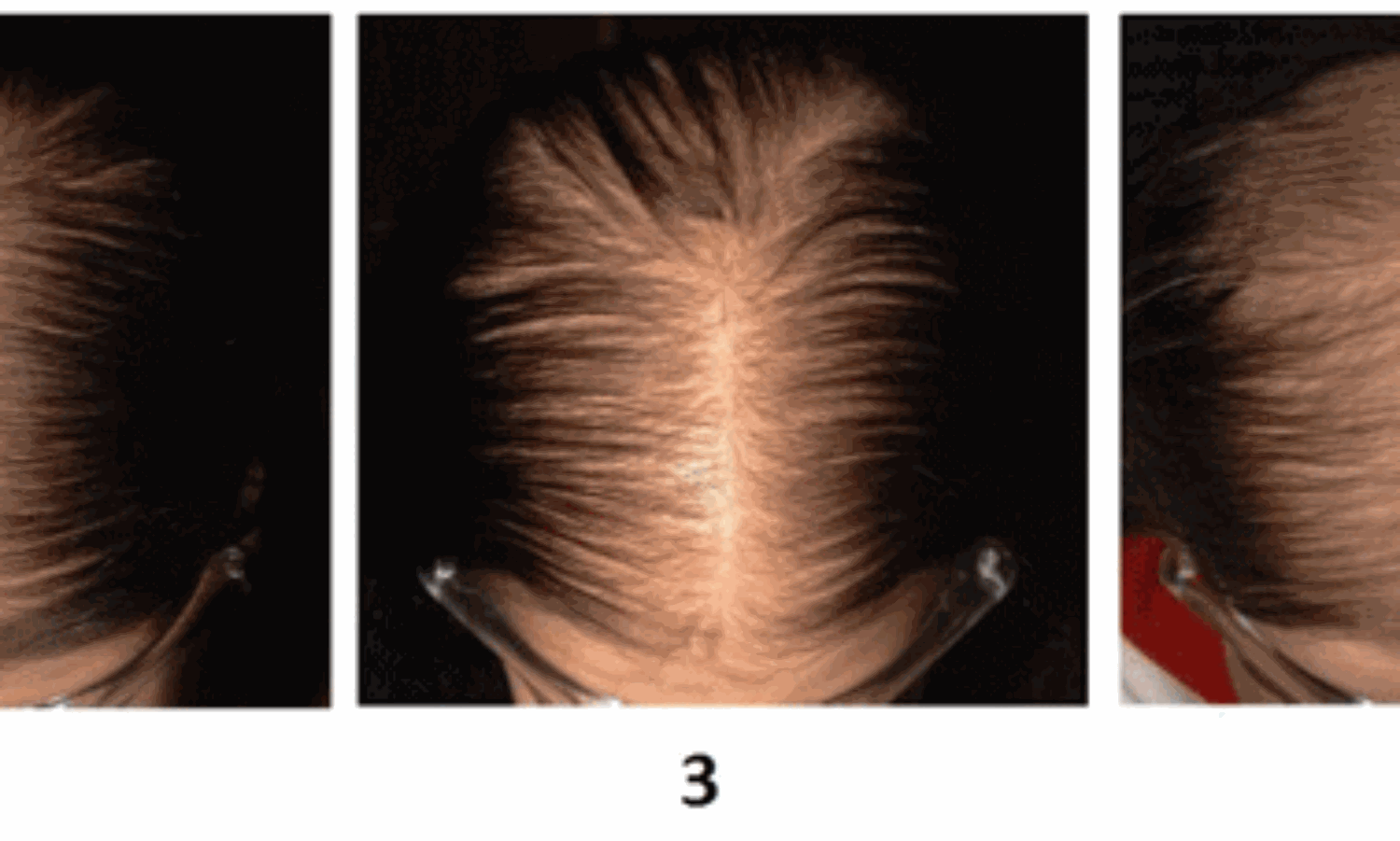
Recent studies point to a link between low Vitamin D levels and hair loss. Vitamin D deficiency can disrupt the hair growth cycle, leading to shedding and hair thinning. Research indicates that supplementing with Vitamin D could help with hair regrowth in those lacking it.
| Study | Subjects | Findings |
|---|---|---|
| Study A | Adults with alopecia | Lower Vitamin D levels compared to the control group |
| Study B | Women with hair loss | Significant hair regrowth after Vitamin D supplementation |
It is important to maintain adequate levels of Vitamin D for healthy hair. Getting enough sunlight, eating Vitamin D rich foods, and taking supplements if necessary can help maintain these levels and promote healthy hair.
Credit: medicaldialogues.in
Identifying Vitamin D Deficiency
Hair loss can be an alarming signal, pointing to a deeper health concern such as vitamin D deficiency. Known as the sunshine vitamin, vitamin D plays a crucial role in many bodily functions, including the maintenance of healthy hair. To combat hair loss effectively, it’s essential to identify whether vitamin D deficiency is at the root of the problem.
Symptoms And Early Warnings
The body often signals a deficiency in vitamin D before it leads to hair loss. Pay attention to these early warnings:
- Fatigue – Often dismissed, feeling constantly tired can be a sign.
- Mood swings – Vitamin D impacts serotonin levels, influencing mood.
- Muscle weakness – Low vitamin D can weaken muscles.
- Bone pain – A classic symptom associated with insufficient vitamin D.
Noticing these symptoms warrants a closer look into your vitamin D levels to prevent further complications, including hair loss.
Diagnostic Tests For Vitamin D Levels
To confirm a deficiency, doctors employ specific diagnostic tests. Top on the list is the 25-hydroxyvitamin D blood test, also known as 25(OH)D test.
| Test Type | 25(OH)D Levels (nanograms/milliliter) |
|---|---|
| Deficient | Below 20 |
| Adequate | 20-50 |
| High | Above 50 |
A result below the adequate range calls for a personalized treatment plan. This might include dietary changes, supplements, or increased sun exposure.
Vitamin D Deficiency Treatments
Many suffer from hair loss due to a lack of Vitamin D. Restoring Vitamin D levels can stop hair loss. The right treatments can bring back healthy hair. Let’s explore effective options for addressing Vitamin D deficiency.
Supplements And Dietary Changes
Taking Vitamin D supplements is a straightforward treatment. It boosts levels quickly. Doctors often suggest a daily Vitamin D dose. Always follow their guidance.
Along with pills, eating Vitamin D-rich foods is necessary. This means adding certain items to your meals. The list includes:
- Fatty fish like salmon and tuna
- Dairy products fortified with Vitamin D
- Egg yolks
- Beef liver
These changes are simple. Yet, they help win the fight against hair loss.
Safe Sun Exposure And Hair Regrowth
Sunlight gifts us Vitamin D naturally. Short, regular periods under the sun can increase Vitamin D. But safety is key. Aim for early morning or late afternoon sun. Avoid the strong midday rays.
| Time | Duration | Skin Type |
|---|---|---|
| Mornings/Late Afternoons | 10-15 minutes | Fair |
| Mornings/Late Afternoons | 15-30 minutes | Darker |
Use sunscreen if staying out longer. Remember, balance is crucial. Too much sun can harm skin and cause other health issues.
Sun and diet change together can help hair grow back. These treatments are simple. They can bring remarkable results for hair health.

Credit: www.researchgate.net
Innovations In Hair Regrowth
The quest for thick, full hair leads many to discover the crucial role Vitamin D plays in hair health. Recent innovations in hair regrowth open up an array of possibilities for those dealing with hair loss due to Vitamin D deficiency.
Topicals And Serums With Added Vitamin D
Nourishing the scalp is key for hair to thrive. The latest topicals and serums blend science with nature. They aim for direct Vitamin D delivery to hair roots. This fosters an ideal environment for hair to grow.
- Vitamin D-infused oils penetrate the scalp. They rejuvenate dormant hair follicles.
- Peptide complexes in serums help. They support Vitamin D’s action in restoring hair cycles.
- Herbal extracts complement Vitamin D. These boost serum efficiency and natural hair growth.
Advanced Therapies In Hair Restoration
Stepping beyond topicals, medical advances showcase promising therapies. These therapies target hair growth at a cellular level. Experts have developed innovative treatments designed to combat Vitamin D-linked hair loss.
- PRP (Platelet-Rich Plasma): A natural regrowth technique using one’s platelets to stimulate hair growth.
- Laser therapy: Low-level lasers boost blood circulation. This encourages nutrient delivery, like Vitamin D, to hair follicles.
- Microneedling: Small needles create tiny punctures. This boosts the scalp’s absorption of vitamin-rich products.
Each therapy may offer new beginnings for hair regrowth.
Their success often lies in the core principle of restoring Vitamin D levels crucial for healthy hair.
Lifestyle Adjustments To Support Hair Health
Vitamin D deficiency can lead to hair loss, but simple lifestyle changes can help. To support hair health, focus on proper nutrition and managing stress levels. These adjustments promote overall well-being and can encourage hair growth for those struggling with thinning or loss.
Nutrition For Hair Growth
What we eat plays a crucial role in hair health. A balanced diet rich in vitamins and minerals is essential. Let’s zero in on key foods that support hair growth:
- Lean Proteins: Hair is mostly made of protein, so include chicken, turkey, and fish in meals.
- Iron-Rich Foods: Iron helps carry oxygen to hair follicles, which is vital for growth. Spinach, lentils, and red meat are excellent choices.
- Omega-3 Fatty Acids: These keep the scalp and hair hydrated. Find them in walnuts, flaxseeds, and fatty fish like salmon.
- Zinc: It helps with hair repair and growth. Pumpkin seeds and chickpeas are great sources.
- Vitamin E: Nuts and seeds contain this antioxidant, which can protect hair from damage.
Stress Management Techniques
Stress can impact hair health significantly. Use these simple techniques to reduce stress:
| Technique | Benefit |
|---|---|
| Mindfulness Meditation | Helps calm the mind and reduce hormone levels that cause hair loss. |
| Regular Exercise | Increases blood flow, including to the scalp, and lowers stress. |
| Adequate Sleep | Restores hormonal balance and repairs the body, aiding in hair growth. |
| Deep Breathing Exercises | Decreases stress and delivers more oxygen to the scalp and hair follicles. |
Real Stories Of Recovery And Regrowth
Hair loss often leaves individuals searching for effective treatments. Vitamin D deficiency is a well-documented culprit. Below, discover real stories of those who have turned their hair struggles around with proper Vitamin D intervention.
Case Studies Of Vitamin D And Hair Regrowth
Exploring these cases offers hope and insight into treating hair loss linked to Vitamin D deficiency.
| Case | Duration of Deficiency | Regrowth Timeline |
|---|---|---|
| Case 1: Anna, 34 | 2 years | 6 months |
| Case 2: Michael, 45 | 1 year | 4 months |
| Case 3: Priya, 27 | 18 months | 5 months |
- Anna struggled with thinning hair. Vitamin D supplements led to noticeable regrowth.
- Michael experienced receding hairlines. Improved diet and Vitamin D reversed his hair loss.
- Priya suffered from excessive shedding. Vitamin D, coupled with topical treatments, helped her reclaim her locks.
Interviews With Dermatology Experts
Dermatology experts shed light on Vitamin D’s role in hair health. Key insights highlight successful treatment pathways.
- Daily Vitamin D3 supplementation can improve hair growth within months.
- Ensuring optimal Vitamin D levels could prevent hair follicle shrinkage.
- Topical applications combined with oral supplements often yield the best results.
Frequently Asked Questions On Hair Loss Vitamin D Deficiency
Will Hair Loss From Vitamin D Deficiency Grow Back?
Hair loss due to vitamin D deficiency can potentially regrow once levels normalize with proper supplementation and diet. Addressing the deficiency is crucial for hair regrowth.
How Much Vitamin D Should I Take For Hair Loss?
Consult a healthcare provider for personalized advice on vitamin D dosage for hair loss. Generally, doses up to 2000 IU daily are considered safe for adults.
Can Low Vitamin D And B12 Cause Hair Loss?
Deficiencies in vitamin D and B12 can contribute to hair loss as both nutrients are important for healthy hair growth. Adding these vitamins to your diet might improve hair health.
Is Vitamin D Hair Loss Temporary?
Vitamin D deficiency-related hair loss is typically temporary. Restoring adequate vitamin D levels often helps reverse hair loss.
Conclusion
Wrapping up, it’s clear that vitamin D plays a pivotal role in maintaining healthy hair. If you’re experiencing hair loss, consider evaluating your vitamin D levels. Simple adjustments in diet or lifestyle could make a significant difference. Always consult with a healthcare professional before starting any new supplements.
Remember, your locks might just need that sunshine vitamin to flourish again.
