To prevent osteoporosis, adults aged 19-50 need 1,000 mg of calcium per day, which increases to 1,200 mg for women over 50 and men over 70. Always discuss with a healthcare provider for personalized advice.
Ensuring adequate calcium intake is crucial for maintaining strong bones and preventing osteoporosis, a condition that weakens bones and increases fracture risk. It’s vital to pair calcium with vitamin D, as it aids in calcium absorption. A balanced diet rich in dairy products, leafy greens, and fortified foods can help meet these requirements.
For those who can’t meet their needs through diet alone, calcium supplements may be an option, but it’s essential to not exceed the recommended amount, since too much calcium can lead to other health issues. Regular bone density tests can help track bone health, especially in those at higher risk for osteoporosis. Keep in mind that lifestyle choices, such as engaging in weight-bearing exercise and avoiding smoking and excessive alcohol, also play a significant role in bone health.
Introduction To Calcium And Osteoporosis
Calcium is more than just a mineral in your milk; it’s the building block of your bones. Osteoporosis, a condition where bones become weak, can sneak up quietly. Understanding the bond between calcium and bone strength is key to fighting this silent bone thief. Let’s dive into why calcium is crucial and how much is enough to keep osteoporosis at bay.
Defining Osteoporosis: The Silent Bone Thief
Osteoporosis means “porous bones”. It happens when bones lose minerals like calcium quicker than the body can replace them. This leads to bones becoming fragile and more likely to break.
The Critical Role Of Calcium In Bone Health
Bones are like a bank account where calcium is deposited and withdrawn. For strong bones, your body needs a steady supply of calcium. Without enough of this mineral, your bones lose density and strength.
Understanding The Relationship Between Calcium Intake And Osteoporosis Prevention
To prevent osteoporosis, balancing your calcium intake is key. It’s like arming your bones against an invisible enemy. Ensuring you get enough calcium through diet or supplements can help maintain bone health and ward off osteoporosis.
Daily Calcium Requirements Across Different Life Stages
In the battle against osteoporosis, calcium plays a crucial role at every age. The body needs different amounts at various life stages. Understanding these needs helps promote strong bones from infancy through old age. Let’s explore the specific calcium requirements essential for optimal bone health across the lifespan.
Infants And Children: Building The Foundation
Babies and young children need calcium to build strong bones. This table highlights their daily needs.
| Age | Daily Calcium Intake (mg) |
|---|---|
| 0-6 months | 200 |
| 7-12 months | 260 |
| 1-3 years | 700 |
| 4-8 years | 1000 |
Milk, cheese, and green leafy vegetables are great sources for toddlers and young children.
Teenagers: The Peak Bone-building Years
Teenage years are critical for bone development. Teens should aim for:
- 1300 mg of calcium daily
Yogurt, fortified cereals, and almonds are perfect choices for teenagers.
Adults: Maintaining Bone Density
Adults need to maintain the bone density they built in their youth. The daily calcium intake should be:
- 1000 mg for adults up to 50 years
Fish, soy products, and calcium-fortified juices can support adult bone health.
Postmenopausal Women And The Elderly: Battling Bone Loss
After menopause and beyond 70 years, bones can weaken without enough calcium. Postmenopausal women and the elderly should increase their intake:
- 1200 mg daily for postmenopausal women
- 1200 mg for those over 70 years
Calcium supplements and food rich in vitamin D are beneficial at this stage.
Gender-specific Recommendations: Addressing The Differences
Men and women often have different needs when it comes to calcium:
| Gender/Age | Daily Calcium Intake (mg) |
|---|---|
| Men, 51-70 years | 1000 |
| Women, 51-70 years | 1200 |
Include foods like sardines, tofu, and low-fat dairy to meet these gender-specific recommendations.
Sources And Absorption Of Calcium: Maximizing Intake
Keeping bones strong demands a steady intake of calcium. Knowing the best sources and how to absorb it well is key. Let’s dive into the world of calcium-rich foods and absorption tips.
Dietary Sources Of Calcium: Beyond Milk And Cheese
Calcium comes from diverse foods, not just dairy. Expand your diet to include:
- Green leafy vegetables: Kale, broccoli, and bok choy
- Nuts and seeds: Almonds and chia seeds
- Fortified foods: Orange juice and cereals
- Plant-based milks: Almond and soy milk fortified with calcium
Supplements: When Diet Is Not Enough
Sometimes, diet falls short. Calcium supplements can fill that gap. Choose ones with vitamin D to help absorption. Speak to a doctor before starting any supplement.
Factors Influencing Calcium Absorption
Absorption depends on factors like:
| Factor | How It Affects Absorption |
|---|---|
| Age | Younger bodies absorb more. |
| Vitamin D levels | Improves absorption. |
| Amount consumed | Small doses throughout the day are better. |
Calcium Bioavailability: The Efficiency Of Uptake
Not all calcium is equal. Bioavailability means how well our body can use it. Calcium in milk is more readily used than that in spinach. This is due to spinach’s high oxalate content, which can bind to calcium and prevent its absorption.
The Synergy Of Calcium And Other Nutrients In Osteoporosis Prevention
The Synergy of Calcium and Other Nutrients in Osteoporosis Prevention isn’t just about calcium alone. Your bones are complex structures that require a variety of nutrients to stay strong and healthy. To effectively prevent osteoporosis, understanding the interplay between calcium and other vital nutrients is key. Each nutrient plays a unique role in bone health, and when balanced properly, they work together to maintain bone density and integrity.
The Vitamin D Connection: Calcium’s Perfect Partner
Vitamin D is essential for calcium absorption. Without it, calcium cannot do its job effectively. This partnership ensures that calcium you take in, whether through food or supplements, finds its way to your bones. For adults, up to 800 IU of vitamin D daily is often recommended. This can come from sun exposure, diet, or supplements.
- Milk, egg yolks, and fatty fish are good vitamin D sources.
- Consider vitamin D supplements if you do not get enough sun.
Magnesium, Vitamin K, And Phosphorus: Unsung Heroes For Bone Health
Magnesium acts as a helper molecule in the biochemical reactions continuously performed by enzymes. It’s an unsung hero in bone health, needed for converting vitamin D into its active form. Vitamin K supports bone metabolism and the regulation of calcium in bones and teeth. Phosphorus is another important component of bone mineralization.
- Green leafy vegetables are rich in magnesium and vitamin K.
- Meat, dairy, and nuts provide phosphorus.
Balancing Calcium With Other Minerals: Avoiding Negative Interactions
It’s important to balance calcium intake with other minerals. High calcium can interact negatively with other nutrients. For instance, excess calcium can inhibit iron and zinc absorption. Aim for the right balance to support overall health without detriment to your bone health.
- Pair iron-rich foods with vitamin C to enhance absorption.
- Do not take calcium supplements with high zinc or iron meals.
Practical Strategies For Preventing Osteoporosis
Practical Strategies for Preventing Osteoporosis begin with ensuring adequate calcium intake but don’t stop there. Integrating a holistic approach can reinforce bone health significantly. Let’s explore actionable steps that fortify bones against the risk of osteoporosis.
Lifestyle Habits That Support Bone Density
- Eat calcium-rich foods: Dairy products, leafy greens, and fortified foods are key.
- Vitamin D intake: Sunlight exposure and vitamin-D fortified foods help absorb calcium.
- Limit caffeine and alcohol: These can decrease calcium absorption if consumed in excess.
- Quit smoking: Smoking can speed up bone loss.
Impact Of Exercise On Bone Strength: What Works Best?
- Weight-bearing exercises: Walking, dancing, and running stimulate bone tissue growth.
- Resistance training: Activities like lifting weights can strengthen bones.
- Flexibility routines: Yoga and stretching can maintain bone health.
Medications And Treatments: Complementing Calcium Intake
- Prescribed supplements: To meet daily calcium needs if diet falls short.
- Osteoporosis medications: Bisphosphonates or hormone-related therapy can be recommended.
- Regular check-ups: Keep in touch with your doctor for tailored advice.
Monitoring Bone Health: Tests And Measures To Track Progress
- Bone density scan: Measures bone strength and monitors changes over time.
- Blood tests: Check for calcium and vitamin D levels.
- Follow-up appointments: Important for adjusting treatment plans.

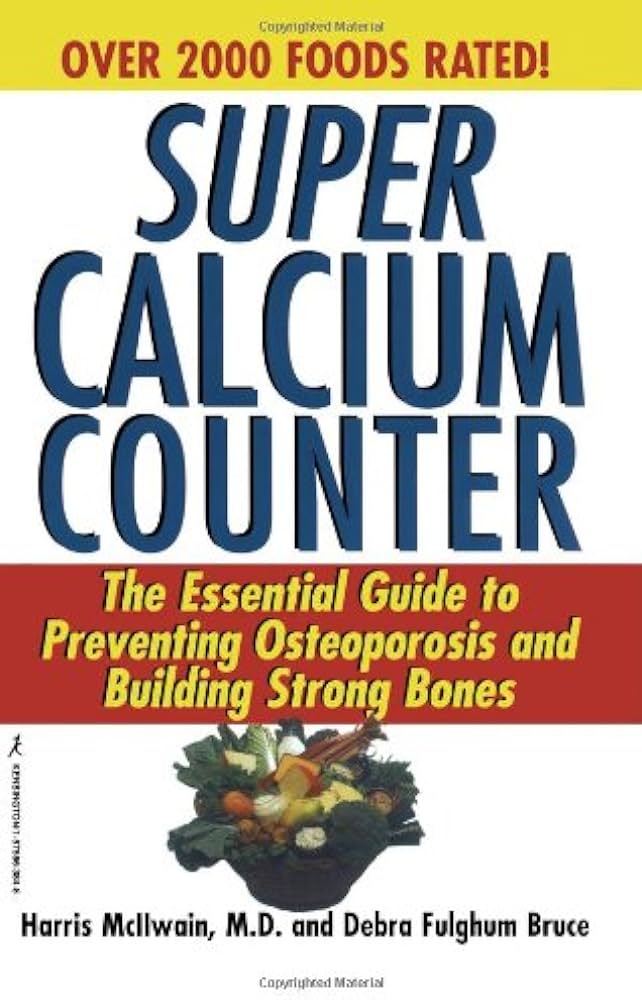
Credit: www.thriftbooks.com
Critical Considerations And Misconceptions About Calcium Intake
Understanding the right amount of calcium to prevent osteoporosis is vital. Many hold misconceptions about calcium intake. It’s not just about how much, but how the body uses it. Let’s delve into the critical considerations and uncover the myths surrounding calcium and its role in bone health.
Excessive Calcium: Recognizing The Risks
Too much calcium can lead to health problems. These include kidney stones and heart disease. It’s essential to balance calcium intake with other nutrients. Balance ensures maximum benefits and minimal risks.
Myths And Facts About Calcium Supplements
- Myth: Supplements are always necessary.
- Fact: Diet often meets calcium needs. Supplements help when there’s a shortfall.
- Myth: All calcium supplements are the same.
- Fact: Absorption varies by type. Check with a healthcare provider for the best option.
Understanding And Managing Calcium Deficiency
A deficiency can lead to weak bones and osteoporosis. Signs include muscle cramps and brittle nails. Boosting calcium-rich food intake is the first step. Supplements can assist when necessary.
Navigating Calcium Intake With Existing Health Conditions
Those with health conditions must be cautious. For example, thyroid issues can impact calcium levels. Consulting with a doctor is crucial when managing calcium intake under these circumstances.
Conclusion: Integrating Knowledge For Healthy Bones
As we wrap up our discussion on the prevention of osteoporosis, it is evident that informed decisions about calcium intake correlate directly with the health of our bones. Proactive measures can safeguard against the risk of this bone-thinning disease. Let’s delve into personalizing calcium consumption, uncover emerging research, and summarize key practices for lifelong bone health.
Personalizing Calcium Intake For Optimal Bone Health
Not everyone requires the same amount of calcium. Age, gender, and lifestyle differences influence your specific needs. It is vital to consult with healthcare experts to determine the right dosage for you. Consider these factors for personalizing your calcium intake:
- Dietary Preferences: Balance calcium-rich foods or supplements.
- Life Stage: Requirements may increase during adolescence, pregnancy, and older age.
- Health Status: Certain conditions may affect calcium absorption and retention.
The Future Of Osteoporosis Prevention: Emerging Research And Trends
Scientific advances are continually shaping osteoporosis prevention strategies. Exciting trends include:
- Genetic research pinpointing individual risk factors.
- Innovative treatments enhancing bone density preservation.
- Lifestyle interventions promoting bone strength from youth.
Staying informed about these developments can empower proactive bone health management.
Key Takeaways For A Holistic Approach To Bone Health Maintenance
In conclusion, let’s highlight essential actions for protecting your skeletal framework:
| Action | Benefit |
|---|---|
| Maintain a balanced diet | Ensures adequate calcium and vitamin D levels |
| Engage in regular weight-bearing exercise | Strengthens bones naturally |
| Get regular check-ups | Monitors bone health progress |
By incorporating these practices, optimal bone health can be a tangible reality.

Credit: www.thriftbooks.com

Credit: www.amazon.com
Frequently Asked Questions For How Much Calcium To Prevent Osteoporosis
How Much Calcium For Osteoporosis Prevention?
Adults should aim for 1,000 to 1,200 milligrams of calcium daily. Postmenopausal women and men over 70 need the higher end. Include calcium-rich foods or consider supplements if necessary.
Is Calcium The Best Defense Against Osteoporosis?
Calcium is crucial but not the sole defense. Combine it with vitamin D intake and regular weight-bearing exercises for optimal bone health.
Can Too Much Calcium Cause Problems?
Excessive calcium intake can lead to kidney stones and impaired absorption of other minerals. Stick to recommended levels and consult with a healthcare provider before supplementation.
What Foods Are High In Calcium?
Dairy products, leafy greens, almonds, sardines, and tofu are excellent sources of calcium. Fortified foods like orange juice and cereals also boost calcium intake.
Conclusion
Ensuring adequate calcium intake is key to warding off osteoporosis. By maintaining the recommended daily amounts, you support bone density and overall health. Your diet plays an essential role, so choose calcium-rich foods wisely. Consult your healthcare provider for tailored advice, and embrace a robust, bone-friendly lifestyle.
Remember, prevention is always better than cure.
