

To get rid of lower belly fat post-pregnancy, focus on healthy eating and regular exercise. Consult your doctor before starting any fitness regimen postpartum.
Dealing with stubborn lower belly fat after having a baby is a common concern for new mothers. Shedding this weight takes time and requires a combination of balanced nutrition and physical activity tailored to your postnatal stage. It’s essential to prioritize activities that strengthen the core muscles, as they are crucial in supporting the uterus and returning it to its pre-pregnancy size.
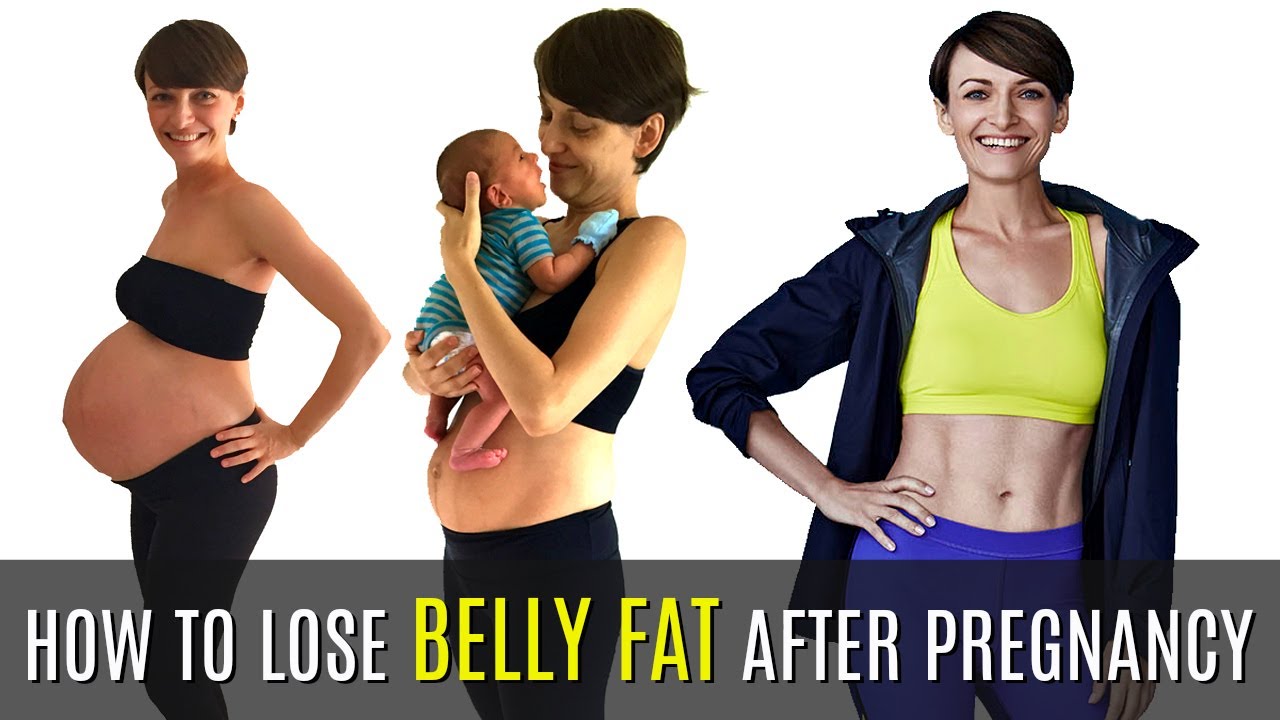
How to Get Rid of Lower Belly Fat After Pregnancy: Engage in cardiovascular exercises that are gentle on the body, such as walking or postnatal yoga. Embrace a diet rich in whole foods, lean proteins, vegetables, and whole grains while avoiding processed foods and high-sugar snacks. Always seek medical approval before starting any exercise program to ensure safety and suitability for your individual health status. Remember, patience is key since the body needs time to heal and readjust after childbirth.
The Post-pregnancy Body
Welcoming a baby into the world is an extraordinary experience. Your body has nurtured and brought a new life into existence. Physical transformation during this time is profound.
Physical Changes After Childbirth
Recovery post-pregnancy involves several changes to your body. Some physical shifts happen quickly, while others take more time.
- Hormonal levels adjust.
- Uterus shrinks back to size.
- Breast milk production begins.
As the body recuperates, skin elasticity and muscle tone can affect your appearance, especially around the belly.
Why Lower Belly Fat Can Be Stubborn
Lower belly fat persists for a host of reasons. Hormones, diet, and the body’s natural healing process play roles.
| Factor | Reason |
|---|---|
| Hormones | They support pregnancy but also increase fat storage. |
| Skin & Muscle | They stretch during pregnancy, taking time to tighten. |
| Metabolism | It may slow down after childbirth. |
| Sleep Patterns | Lack of consistent sleep affects weight. |
Understanding these factors can help tailor an effective plan to reduce lower belly fat. Be patient and kind to your body as it recovers.
Credit: m.youtube.com
Establishing Realistic Goals
Establishing Realistic Goals plays a critical role in successfully reducing lower belly fat after pregnancy. It’s essential to create achievable targets that align with individual capacity and circumstances. These goals will guide moms on their journey to reclaim their pre-pregnancy body shape, contributing to overall well-being and body confidence. Let’s delve deeper into understanding the timeline and factors influencing weight loss post-pregnancy.
Time Frame For Losing Belly Fat
A common question for new mothers is how long it will take to lose the belly fat. The time frame varies for each individual, as several factors come into play. A safe and healthy approach might span several months to one year postpartum. Here are some key points to consider regarding the timeline:
- Initial weight loss may occur naturally in the first few months postpartum.
- Gradual weight loss through a balanced diet and exercise is sustainable.
- Patience is important; rush can lead to stress and health issues.
Factors Affecting Weight Loss Post-pregnancy
Every new mom’s body is unique, and multiple factors play a role in how weight loss occurs after pregnancy. Understanding these can help set realistic expectations. Factors include:
| Factor | Influence on Weight Loss |
|---|---|
| Metabolism | May slow down post-pregnancy, impacting weight loss pace. |
| Hormones | Post-pregnancy hormonal shifts can affect body weight. |
| Sleep | Lack of sleep can lead to weight gain or a weight loss plateau. |
| Diet | Nutrient-rich, balanced meals support weight loss. |
| Exercise | Regular, postpartum-safe exercises aid in fat reduction. |
| Breastfeeding | Can help some mothers with weight loss, though not all. |
Incorporating an understanding of these factors into a weight loss plan will pave the way for a smoother transition to pre-pregnancy fitness levels.
Balanced Nutritional Strategies
Balanced Nutritional Strategies play a crucial role in shedding lower belly fat after pregnancy. A well-planned diet helps new moms fuel their bodies effectively while managing weight. Let’s explore how proper nutrition aids this journey.
Breastfeeding And Calorie Considerations
Breastfeeding can help with weight loss post-pregnancy. It requires extra calories, which in turn can aid in fat burning. Yet, calorie intake should be mindful. Ensuring a balance is key for both milk production and weight management.
- Consume enough to support breastfeeding.
- Do not cut calories too quickly.
- Focus on nutrient-rich foods.
Foods That Support Fat Loss
Certain foods boost metabolism and promote fat loss. Integrating these foods into your diet supports belly fat reduction.
| Food Type | Benefits |
|---|---|
| Proteins | Builds muscle, keeps you full |
| Fiber | Improves digestion, reduces cravings |
| Healthy Fats | Increases satiety, fuels body |
Aim to include a balance of these food types. Avoid processed foods and empty calories. Whole foods are your friends. Drink plenty of water.
- Pair lean protein with every meal.
- Include vegetables and fruits daily.
- Select whole grains over refined ones.
Credit: m.youtube.com
Effective Exercises For Tummy Toning
Shedding lower belly fat after pregnancy can be challenging. A focus on tummy toning is essential for regaining pre-pregnancy shape. Tailored workouts can help tighten and strengthen the abdominal muscles. This guide highlights exercises designed for new moms. They target post-baby belly bulge effectively.
Safe Postpartum Workouts
The journey to a toned belly begins with safe, postpartum workouts. Approval from your doctor is vital. Start gently to avoid strain. Walking is a wonderful starting point. It promotes weight loss and prepares your body for more intense exercises.
Recommended safe postpartum workouts:
- Pelvic Tilts: A great way to ease into core workouts.
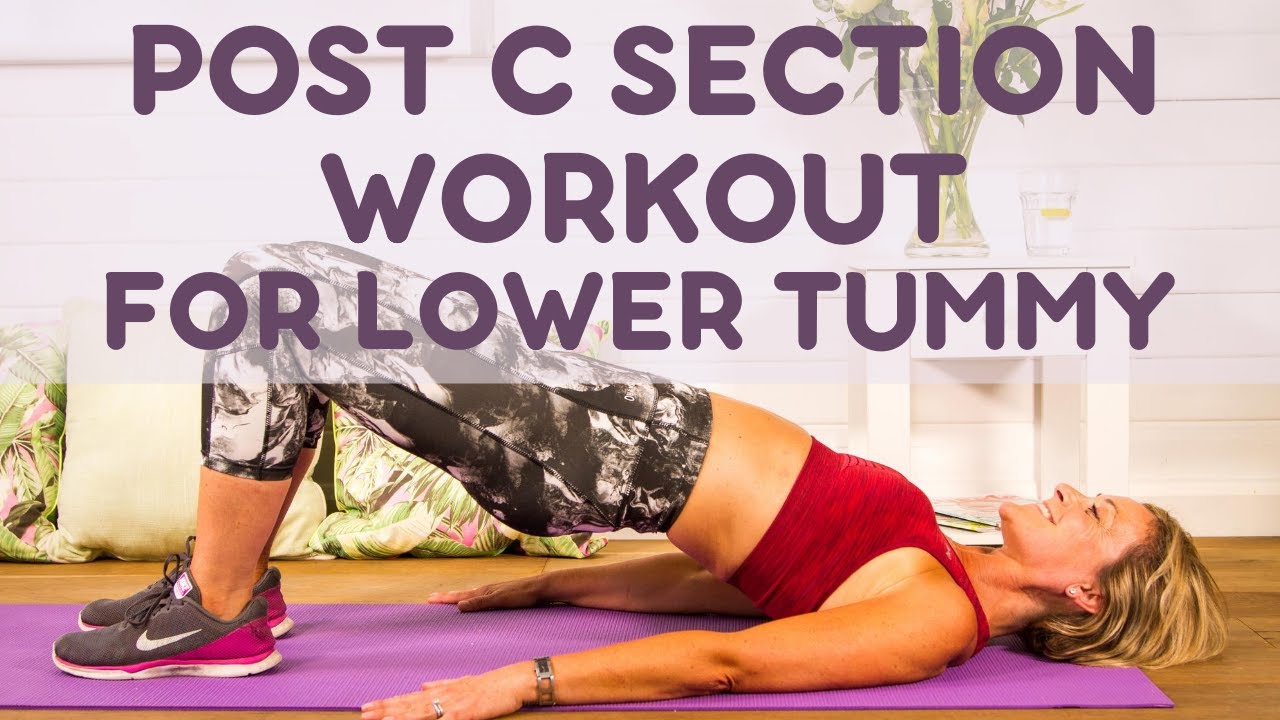
- Bridge: This exercise strengthens the glutes and lower back.
- Heel Slides: They engage core muscles without pressure.
- Kegels: These improve pelvic floor strength post-delivery.
Core Strengthening Routines
Once comfortable with basic postpartum workouts, introduce core-strengthening routines. They directly target belly fat and emphasize muscle rebuilding.
| Exercise | Benefit |
|---|---|
| Modified Planks | Bolsters the entire core region |
| Leg Drops | Strengthens lower abs |
| Bicycle Crunches | Works on side muscles and front abs |
| Pilates | Improves posture and tones the tummy |
Core strengthening should be gradual. Aim for short sessions initially. Increase duration and intensity as your fitness improves. Always listen to your body to avoid overexertion.
The Importance Of Hydration
Shedding lower belly fat after pregnancy starts with understanding the critical role hydration plays in your body’s recovery. Proper hydration is essential, not just for general health, but particularly when aiming to lose postpartum belly fat. Let’s delve into why keeping your body well-hydrated is a must for new moms on a mission.
Water Intake And Metabolism
Staying hydrated boosts your metabolism, an ally in burning unwanted fat. Your body needs plenty of water to process calories. If you’re dehydrated, your metabolism drags, slowing down the fat-burning process. Aim for at least eight 8-ounce glasses of water per day to keep your metabolic fire burning.
Consider using a hydration tracker app or a marked water bottle to help you stay on track. Sipping water throughout the day, especially before meals, can also prevent overeating by making you feel fuller.
Avoiding Dehydrating Beverages
Although you might reach for a cup of coffee for a quick energy fix, be mindful that caffeine can dehydrate. Certain beverages should be consumed in moderation or avoided to prevent dehydration. These include:
- Coffee and black tea (high in caffeine)
- Carbonated soft drinks (can be filling but lack nutritional value)
- Alcoholic drinks (decrease the body’s production of the anti-diuretic hormone)
Instead, focus on water, herbal teas, or decaffeinated beverages to ensure you stay well-hydrated. These drinks support your body’s natural healing after pregnancy and aid in reducing lower belly fat.
Rest And Recovery
Getting rid of lower belly fat after pregnancy requires a blend of smart exercise and nutrition. Yet, rest and recovery are equally crucial. Adequate rest helps your body heal and lose weight. Let’s dive into how sleep and stress management can play pivotal roles in shedding that postpartum belly fat.
Sleep’s Role In Weight Loss
Good sleep is foundational for weight loss. It restores your body and boosts metabolism. While you rest, your body works on repairing muscles. This is key after pregnancy.
- Aim for 7-9 hours of sleep per night.
- Create a calming bedtime routine.
- Keep your bedroom dark and cool for better sleep quality.
Managing Stress And Cortisol Levels
Stress can make losing belly fat more challenging. High stress levels increase cortisol. This hormone can cause weight gain, especially around the stomach.
Keep stress away for successful weight loss.
| Stress-Reducing Tips |
|---|
| Practice deep breathing or meditation. |
| Take short walks to clear your mind. |
| Connect with friends and family. |
Consistency And Patience
Shedding lower belly fat post-pregnancy is a journey of consistency and patience. Understand that the body has undergone significant changes. Quick fixes are not the answer. Embrace a steady, gradual approach, nurturing the body back to fitness.
Setting Achievable Mini-goals
Target small, manageable goals to keep progress on track. Small successes boost confidence. Begin with simple activities, like short walks or pelvic exercises. As stamina improves, increase intensity and duration. Focus on realistic weight loss, perhaps one to two pounds a week.
- Start with low-impact exercises – Protects healing postnatal body.
- Increase water intake – Aids metabolism and reduces bloating.
- Eat nutrient-rich foods – Fuels body and supports weight loss.
Keeping Motivated Over Time
Long-term motivation is key. Celebrate every win, no matter how small. Surround yourself with a support network. Friends, family, or online communities can offer encouragement. Track progress with a journal or an app. Seeing improvements over time can help maintain focus and dedication.
| Week | Goals | Achievements |
|---|---|---|
| 1 | Walk 10 minutes daily | Increased energy levels |
| 2 | Add pelvic tilts | Stronger core muscles |
| 3 | 10-minute yoga session | Improved flexibility |

Credit: airsculpt.com
Frequently Asked Questions For How To Get Rid Of Lower Belly Fat After Pregnancy
Can Exercise Reduce Belly Fat After Pregnancy?
Regular exercise can help reduce lower belly fat post-pregnancy. Focus on a mix of cardio, strength training, and pelvic exercises. Consult a doctor before starting any workout routine postpartum.
What Diet Helps Lose Postpartum Belly Fat?
A balanced diet rich in vegetables, lean proteins, whole grains, and healthy fats aids in losing postpartum belly fat. It’s important to avoid processed foods and high-sugar snacks. Stay hydrated and eat mindfully.
How Long Does It Take To Lose Belly Fat Post-pregnancy?
Losing belly fat after pregnancy varies for each individual. Typically, it may take several months to a year. A healthy lifestyle that includes proper diet and exercise will expedite the process.
Are There Effective Home Remedies To Trim Post-baby Belly?
Yes, home remedies like drinking green tea, staying hydrated, and getting adequate sleep can complement your diet and exercise efforts to trim the post-baby belly.
Conclusion
Banishing lower belly fat post-pregnancy is a journey unique to each new mom. Embrace these tips: balanced diets, regular exercise, and sufficient hydration. Patience is key; results will follow. Remember, consulting healthcare professionals ensures safe and effective progress. Embark on this transformative path with confidence and care for your body’s needs.
