

To improve mental health, students should prioritize sleep and manage their time effectively. Creating a support network can also be beneficial.
Mental Health Tips for Students: Balancing academic responsibilities with mental health needs is increasingly vital for students navigating the pressures of school life. Stress, anxiety, and other mental health issues can significantly impact a student’s ability to learn and perform. Developing a routine that includes regular physical activity, healthy eating, and mindfulness practices can help maintain psychological well-being.
It’s essential to recognize the signs of mental fatigue early and to seek support from friends, family, or mental health professionals when necessary. Providing students with accessible information on mental health resources and coping strategies creates an environment that fosters resilience and well-being, which is crucial in achieving academic success and maintaining a healthy lifestyle during their educational journey.
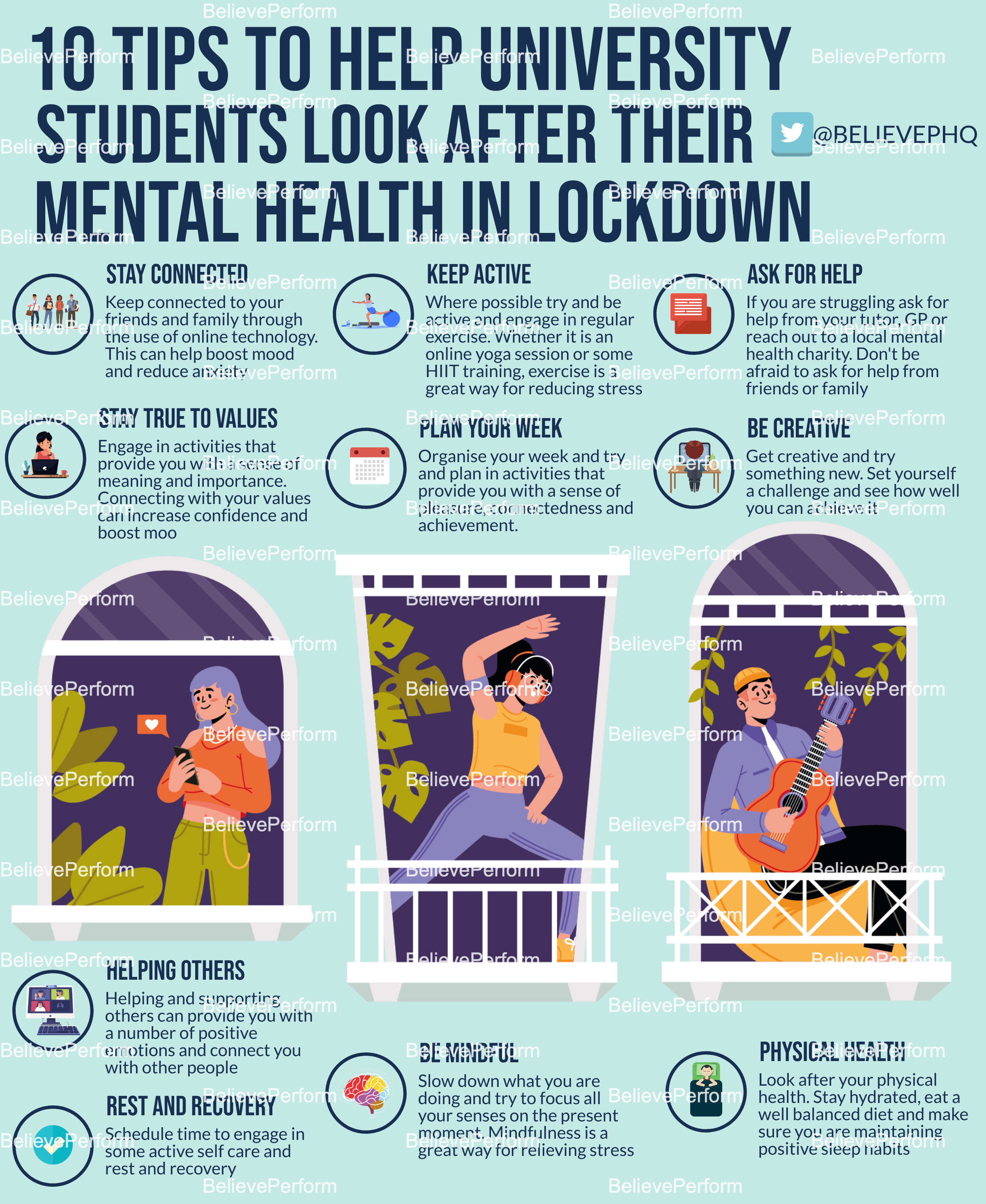
Credit: members.believeperform.com
Introduction To Student Mental Health
Heading back to school can stir up various emotions. From excitement to
anxiety, every student’s mental health journey is unique. With growing
academic pressures and social challenges, understanding and caring for mental well-being has become crucial. This section will delve into tips that aid in maintaining a healthy mind during student life.
Understanding The Importance Of Mental Health In Academia
Sound mental health is the backbone of successful academic and personal life.
It boosts concentration, enhances learning, and nurtures relationships. Schools are not just centers for intellectual learning but also environments where young minds develop emotionally. Recognizing this, education institutions are placing increased emphasis on mental health. Let’s explore why it’s vital and how students can thrive both in and outside the classroom.
Common Mental Health Challenges Faced By Students
Students often navigate a maze of challenges. Stress, anxiety, depression, and social issues are some common roadblocks to a healthy mental state. Academic deadlines and the quest for perfect grades can lead to burnout. Strained relationships and homesickness also weigh heavily on students’ shoulders.
- Stress: From exams to fitting in, stress is a frequent visitor in student life.
- Anxiety: Uncertainty about the future can trigger anxiety among students.
- Depression: Personal and academic pressures can sometimes lead to depression.
- Social Issues: Social dynamics contribute significantly to mental health.
Acknowledging these hurdles is the first step to overcoming them. Once recognized, students can seek the necessary support and implement strategies to bring about positive change. Stay tuned for practical mental health tips that can transform a student’s wellbeing.
Strategies For Improving Mental Well-being
Strategies for Improving Mental Well-being play a vital role in students’ lives. As academic pressures mount, it’s crucial to find ways to stay mentally healthy. Let’s discuss practical steps to enhance mental well-being.
Establishing A Balanced Routine
Maintaining a consistent schedule is key to mental stability. It includes setting time for study, leisure, and rest. A balanced routine helps manage stress. It ensures that tasks don’t overwhelm you.
Incorporating Physical Activity And Healthy Eating
Exercise and nutrition greatly impact mental health. Regular physical activity boosts mood and reduces anxiety. A healthy diet full of nutrients supports brain function. Try to include:
- Fruits and vegetables
- Lean proteins
- Whole grains
The Role Of Sleep In Mental Health
Adequate sleep is crucial for mental well-being. Aim for 7-9 hours of quality rest each night. This helps the mind and body recover. It also improves focus and memory.
Mindfulness And Stress Reduction Techniques
Mindfulness can reduce stress and enhance focus. Techniques like deep breathing, meditation, and yoga help. They create a sense of calm and improve overall mental health.
Find which technique works best. Practice it regularly to notice the benefits.
Support Systems And Professional Help
Your mental well-being is just as crucial as your physical health, especially during your student years. Times of study bring unique challenges that demand strong support systems and accessible professional help. Knowing where to find these resources can make all the difference. Whether you’re navigating campus support or building a network, it’s important to connect with the right help.
Navigating Campus Resources For Mental Health
University life can be overwhelming, but you’re not alone. Your campus is equipped with resources designed to support your mental health journey. Here’s a step-by-step guide to making the most out of campus services:
- Visit your student health center to learn about the mental health services provided.
- Look for workshops, support groups, or counseling services on-campus.
- Connect with peer mentors who can guide you towards the right resources.
- Utilize these services as part of your tuition – they’re there for you!
When To Seek Professional Mental Health Services
Understanding when to seek help is key to maintaining your mental health. Here are indicators that signal it’s time to connect with a professional:
- Persistent feelings of sadness or anxiety that don’t go away.
- Difficulty coping with daily activities and academic demands.
- Changes in sleep or eating patterns affecting everyday life.
- Struggles with concentration, memory, or decision-making processes.
Remember, reaching out is a sign of strength, not weakness.
Building A Supportive Network: Peers, Family, And Mentors
Building a supportive network is an investment in your mental well-being. What does this network look like? Let’s explore:
| Support Type | Role | How They Help |
|---|---|---|
| Peers | Classmates, Friends | Sharing experiences, offering an understanding ear |
| Family | Loved Ones | Providing a comforting space, stability, and encouragement |
| Mentors | Teachers, Counselors | Guiding, advising, and offering professional insight |
Create a balance between these support types for a robust network.
Developing Resilience And Coping Skills
Student life can be tough, but it’s also the perfect time to develop skills that help you deal with challenges. Building resilience and coping skills is like having a good backpack for a long hike. It keeps you prepared and balanced, even when the path gets rocky. In this blog post, we’ll look at how you can better manage emotions, handle academic pressure, and learn from setbacks.
Emotional Regulation And Adaptability
Emotional regulation is key to maintaining focus under stress. It’s about recognizing your feelings and knowing the best ways to respond to them. Here are some tactics you can use:
- Take deep breaths when overwhelmed.
- Create a calm playlist to soothe your mind.
- Practice mindfulness or meditation.
Adaptability means being open to change. Face new situations with a positive attitude and a willingness to learn. Try these methods:
- Adjust your study schedule when unexpected events happen.
- Join clubs or groups to meet diverse people.
- Challenge yourself with different types of projects.
Overcoming Academic Stress And Anxiety
School work can pile up quickly. Stress and anxiety might try to take over. To push back, consider these strategies:
- Break large assignments into small, manageable parts.
- Set clear goals for study sessions.
- Talk to teachers or tutors when subjects feel too complex.
Don’t forget that relaxation is part of the equation. Make sure you have leisure and sleep in your routine.
Learning From Failure And Building Mental Strength
Failure isn’t the opposite of success; it’s part of the journey. Embrace your mistakes as learning opportunities. Try these steps to grow stronger:
| When You Fail… | Try This… |
|---|---|
| Miss a goal or deadline | Review what went wrong, adjust plans |
| Receive a low score on a test | Study with a group, use different materials |
| Face criticism on a project | Gather feedback, refine your work |
Remember, each challenge faced is a step towards a tougher, smarter you. With each stumble, you’re learning how to stay upright next time.
Conclusion: Fostering A Healthy Mindset
Fostering a healthy mindset is crucial for students. It takes daily practice. A mind full of strength and resilience shapes a bright future.
The Long-term Benefits Of Prioritizing Mental Health
Students with a strong mental foundation thrive in life. Their success extends beyond grades. They build lasting relationships and show improved focus. They also handle life’s ups and downs better. Overall, quality of life gets a big boost.
- Stress Management: With a healthy mindset, stress seems smaller.
- Social Skills: Friends and networks grow with good mental health.
- Career Success: Employers value employees who are resilient.
Creating Personalized Mental Health Practices
Every student is unique. Their approach to mental health should be too. What works for one might not work for another. Finding and sticking to what helps is key.
| Practice | Benefits |
|---|---|
| Meditation | Calms the mind and boosts focus |
| Exercise | Improves mood and energy levels |
| Proper Sleep | Restores the body and mind |
Remember, it’s okay to ask for help. Talk to friends, family, or counselors. Balance your workload. Eat well. Get enough sleep. Stay active. These small steps lead to a healthier mind and a happier life.

Credit: www.indwes.edu
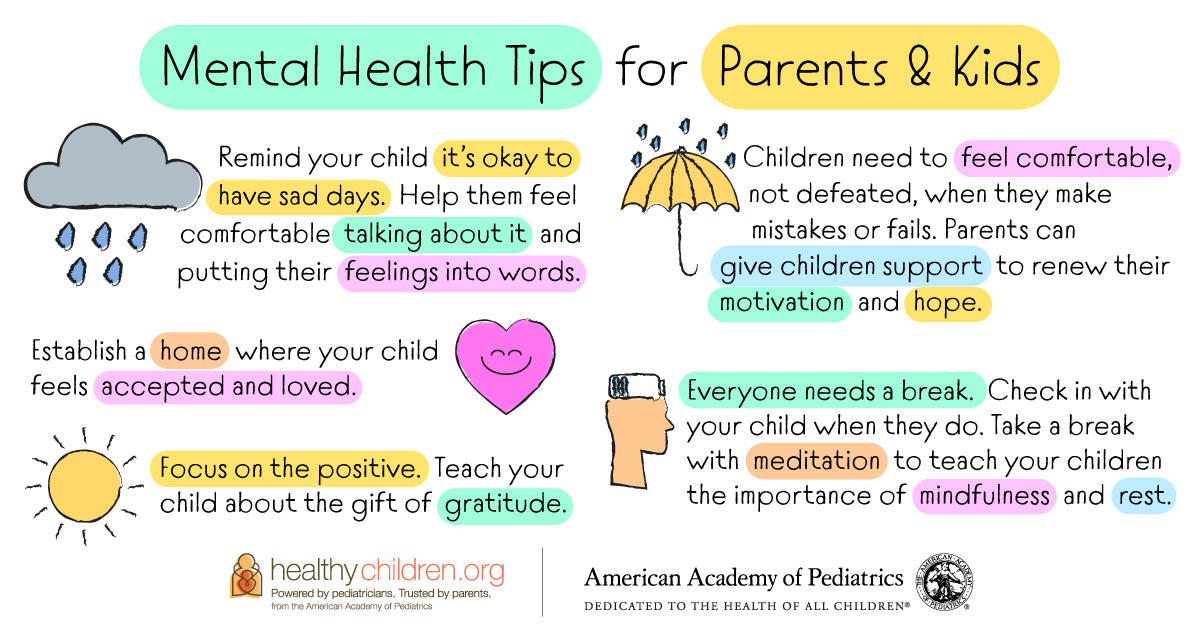
Credit: twitter.com
Frequently Asked Questions For Mental Health Tips For Students
How To Manage Stress As A Student?
Managing stress effectively is crucial for students. Establish a routine, incorporate relaxation techniques like deep breathing or meditation, and ensure adequate sleep. Also, prioritize tasks to avoid feeling overwhelmed and engage in physical activity to release tension.
What Are Top Mental Health Tips For Students?
Top mental health tips for students include maintaining a balanced diet, getting regular exercise, and establishing a consistent sleep schedule. It’s also beneficial to stay connected with friends and family and seek professional help when necessary.
How To Balance Study Time And Mental Health?
Finding balance requires setting clear boundaries and prioritizing self-care. Allocate specific times for studying and breaks, and stick to this schedule. Ensure to include activities that you enjoy and that contribute to your wellbeing, like hobbies or connecting with friends.
Can Meditation Improve Student Mental Health?
Yes, meditation can significantly improve mental health for students. Regular practice helps reduce stress, enhance concentration, and promote emotional stability. It only requires a few minutes each day to observe noticeable benefits.
Conclusion
Navigating the complex world of academics can take a toll on a student’s mental wellbeing. By incorporating these mental health strategies, students can bolster their resilience and enhance overall wellness. Regular self-care, mindful practices, and reaching out for support lay the groundwork for a more balanced and fulfilling student life.
Remember, it’s not just about grades; it’s about nurturing a healthy mind.
