
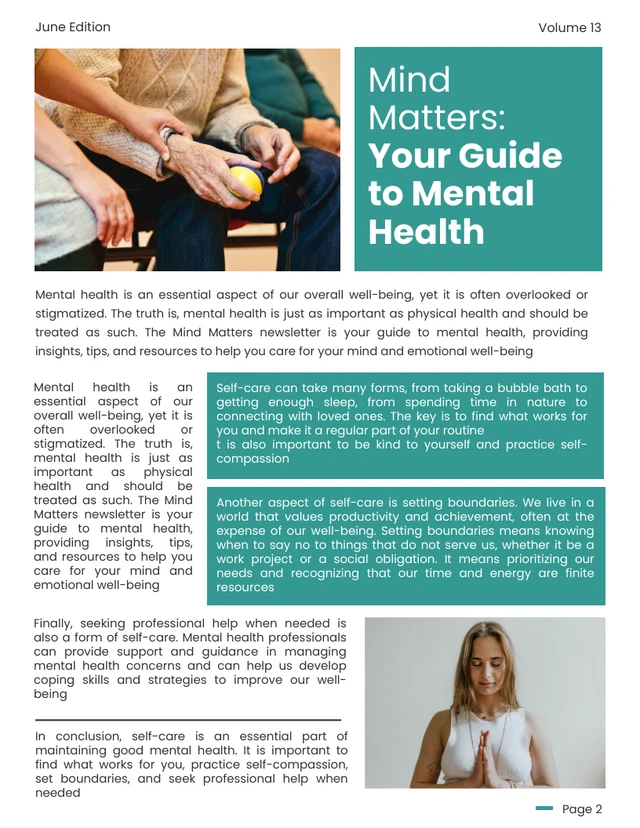
Self-care is crucial for mental health as it aids in stress management and promotes resilience. Regular self-care routines lead to improved mood and decreased anxiety, vital for psychological well-being.
Self Care Important for Mental Health: Caring for oneself might seem indulgent, but it’s an essential component of a balanced life. Our mental health flourishes when we take the time to nurture our bodies and minds. Engaging in self-care activities, such as adequate sleep, healthy eating, exercise, and mindfulness practices, serves as a buffer against the detrimental effects of stress and life’s pressures.
It equips us with the tools to navigate life’s ups and downs, fostering a sense of control and self-efficacy. Whether it’s carving out time for hobbies, connecting with loved ones, or simply relaxing, these intentional acts of self-kindness fortify our emotional reserves. Self-care is not a luxury—it’s a fundamental practice that lays the groundwork for a thriving, happy life, ensuring that we can not only survive but also prosper amidst daily challenges.

Credit: www.facebook.com
Introduction To Self-care And Mental Health
Delving into the realm of self-care unlocks the essence of wellness in us. Imagine a garden. It flourishes with nurturing. Our minds resemble this garden, thriving with the right self-care practices. It’s not just about pampering ourselves. It’s a bridge to robust mental health. Let’s unearth the layers of self-care and reveal its connection to a balanced mind.
Understanding Self-care
Self-care is a personalized toolkit. It comprises habits and actions aimed at enhancing overall well-being. These are choices we make daily to maintain a harmonious life both physically and mentally. This toolkit is unique, fitting each individual’s lifestyle and needs like a tailored outfit.
The Connection Between Self-care And Mental Health
Self-care and mental health intertwine like strands of a DNA helix. Practicing self-care, we craft a resilience against stressors. It’s a shield, an empowering arsenal that guards our mental space. Simple acts of self-care fuel the mind, much like sunshine to plants, fostering growth and balance.
Defining Mental Health And Its Importance
Mental health is the bedrock of our emotional, psychological, and social well-being. It influences how we think, feel, and behave. Achieving positive mental health is a journey, not just absence of illness. It’s about nurturing an environment where our mental garden can bloom.
The Pillars Of Self-care
The Pillars of Self-Care are vital for maintaining good mental health. Practicing self-care means taking the time to do things that help you live well and improve both your physical health and mental health. By focusing on each pillar of self-care, you create a balanced and fulfilling routine that supports your mental wellbeing.
Physical Self-care: Nurturing The Body
Nourishing your body is a top priority.
- Exercise boosts mood and energy.
- Healthy eating fuels the body effectively.
- Sleep is crucial for brain function.
- Rest prevents burnout.
Emotional Self-care: Processing Feelings
Understanding emotions is key.
- Reflection helps identify feelings.
- Stress management reduces emotional strain.
- Boundaries protect from negative forces.
- Therapy offers professional guidance.
Mental Self-care: Cultivating A Healthy Mindset
A healthy mindset serves as a mental foundation.
- Positive affirmations boost self-confidence.
- Mindfulness centers thoughts in the present.
- Learning strengthens the mind.
- Problem-solving improves mental dexterity.
Spiritual Self-care: Finding Purpose And Connection
Finding deeper connections brings fulfillment.
- Meditation encourages inner peace.
- Volunteering fosters community ties.
- Gratitude opens the heart to good.
- Nature refreshes the spirit.
Social Self-care: Building Supportive Relationships
Building networks creates emotional support.
- Friendships provide comfort and joy.
- Family ties strengthen feelings of belonging.
- Community connects with like-minded people.
- Support groups share and solve common issues.
Benefits Of Practicing Self-care
Self-care is key to maintaining a healthy mind. It helps us manage stress and keeps us balanced. Let’s explore the ways it touches our lives.
Reduced Stress And Anxiety Levels
Self-care activities are like a pause button in our hectic lives. Activities such as meditation, exercise, and hobbies allow us to take a step back to relax and recharge, reducing stress and anxiety significantly. This regular downtime can be incredibly effective at keeping these feelings at bay.
Improved Mood And Emotional Regulation
Prioritizing self-care has a direct impact on our mood. By taking care of our basic needs through sufficient sleep and proper nutrition, our mood tends to stabilize. Emotional regulation becomes easier when we feel good physically.
Boost In Self-esteem And Self-confidence
Engaging in regular self-care practices can lead to a positive self-image. When we take the time to pamper ourselves, it sends a message that we value our well-being, boosting confidence.
Contribution To Long-term Mental Health Stability
Long-term mental health benefits greatly from ongoing self-care. It’s not just about the immediate effects; self-care builds resilience, helping us cope better with future stressors and reducing the risk of mental health crises.
The Ripple Effect Of Self-care On Overall Well-being
Self-care does not exist in isolation. It sets off a positive chain reaction. When we’re mentally healthy, it positively impacts every aspect of our lives, from personal relationships to work performance.

Credit: www.facebook.com
Common Barriers To Self-care
Self-care plays a critical role in maintaining mental health. Yet, many people struggle to make it a priority. Understanding these common barriers can pave the way for better mental wellness.
Time Constraints And Busy Lifestyles
Life’s pace can seem unrelenting. With hectic schedules taking up most of our day, finding moments for self-care feels like a puzzle. This often leads to neglected personal time.
Societal Misconceptions And Stigma
Many still view self-care as a luxury or indulgence. There’s also a stigma that taking a break is a sign of weakness. This stigma stops folks from seeking much-needed rest and recuperation.
Personal Guilt And Self-neglect
Guilt can be a massive hurdle. The belief that caring for oneself is selfish leads many to forego self-care activities, putting others’ needs first.
Financial Limitations And Accessibility
- Costly gym memberships
- Expensive wellness programs
- Limited free or low-cost community resources
These factors often prevent consistent self-care, making it seem out of reach for some.
Strategies To Overcome Self-care Barriers
- Plan and prioritize: Block out time in your schedule.
- Seek affordable options: Explore community events or apps.
- Reject the stigma: Embrace self-care as essential.
- Address guilt: Recognize self-worth and the value of health.
By addressing these barriers, we empower ourselves to take control of our mental health through self-care.
Implementing Self-care Into Daily Life
Implementing Self-Care into Daily Life is vital for maintaining mental wellness. It’s easy to overlook our own needs in a busy world. Yet, self-care acts as the fuel that allows us to handle life’s challenges with more resilience. A commitment to self-care enhances mood, reduces anxiety, and boosts overall happiness. By weaving self-care routines into your daily life, you prioritize your well-being and take proactive steps towards a healthier mind and body.
Simple Self-care Practices For Beginners
Starting self-care can be as simple as listening to your favorite song or taking a brisk walk. Here are a few suggestions:
- Take deep breaths when you wake up
- Enjoy a nourishing breakfast
- Write in a journal for five minutes
- Stretch or do yoga to connect with your body
Setting Manageable Self-care Goals
Self-care shouldn’t be overwhelming. Start small. Consider these achievable goals:
- Read a book for 10 minutes before bedtime
- Spend 15 minutes outdoors every day
- Drink eight glasses of water daily
Creating A Personalized Self-care Plan
A personalized plan ensures that self-care addresses your unique needs. Use this simple framework:
| Activity | Frequency | Duration |
|---|---|---|
| Morning meditation | Daily | 5 minutes |
| Evening walk | 3 times a week | 20 minutes |
Incorporating Mindfulness And Mind-body Techniques
Mind-body practices enhance your self-awareness and bring peace. Try these:
- Practice mindful breathing whenever you can
- Join a local tai chi or yoga class
- Use guided imagery to calm your mind
Utilizing Technology And Apps For Self-care
Technology can aid self-care. Explore apps that remind you to:
- Stay hydrated
- Track sleep patterns
- Monitor fitness goals
- Meditate with guided sessions
The Role Of Society And Community In Self-care
Self-care goes beyond individual actions. The society and community play a vital role. They shape our self-care practices. People around us influence our approach to mental health. Let’s explore this critical aspect further.
Promoting A Culture Of Self-care
A society that values self-care benefits everyone. Social norms can encourage or hinder personal well-being. Celebrating self-care practices in social settings leads to healthier communities. Support for mental health becomes visible and normalized.
- Campaigns on self-care importance
- Community events focusing on well-being
- Local health and wellness groups
Support Systems And Community Resources
Community support systems are critical for mental health. They provide networks for individuals to lean on. This might include:
| Resource | Benefit |
|---|---|
| Mental health services | Professional support |
| Peer support groups | Shared experiences |
| Recreational centers | Stress relief activities |
Workplace Self-care Initiatives
Employers have a role too. Workplace well-being programs can make a big impact. Examples are:
- Mental health days
- Flexible work schedules
- Employee counseling
Challenging Norms And Encouraging Dialogue
For lasting change, challenging current norms is key. Open conversations about mental health break down stigmas. They empower people to seek help. Community leaders have the power to start these dialogues. Let’s use it wisely.
- Public discussions on mental health
- Educational workshops and seminars
- Online forums for sharing experiences
Conclusion And Encouragement For Self-care Journey
The journey of self-care proves crucial for nurturing mental health.
Recap Of Self-care’s Impact On Mental Health
Self-care acts as a shield, protecting our mind against daily stress. It boosts resilience and fosters a positive outlook. Through regular self-care, we ensure mental well-being remains a priority.
- Reduces anxiety and depression rates.
- Enhances mood and brings joy.
- Maintains balance within life’s demands.
Personal Reflections And Future Commitments
Reflecting on self-growth, personal goals become clear. Commit to daily self-care—whether it’s reading, walking, or meditating. This commitment fortifies mental health for the road ahead.
| Time of Day | Self-Care Activity |
|---|---|
| Morning | 10 minutes of meditation |
| Afternoon | 30-minute walk |
| Evening | Reading a chapter of a book |
Encouraging Others To Prioritize Self-care
Invite friends and family to join the self-care adventure. Share strategies and celebrate triumphs together. Strong support systems make self-care a shared joy, amplifying its benefits.
Start simple. Pick activities you love. Stay consistent. Your mental health is worth it.
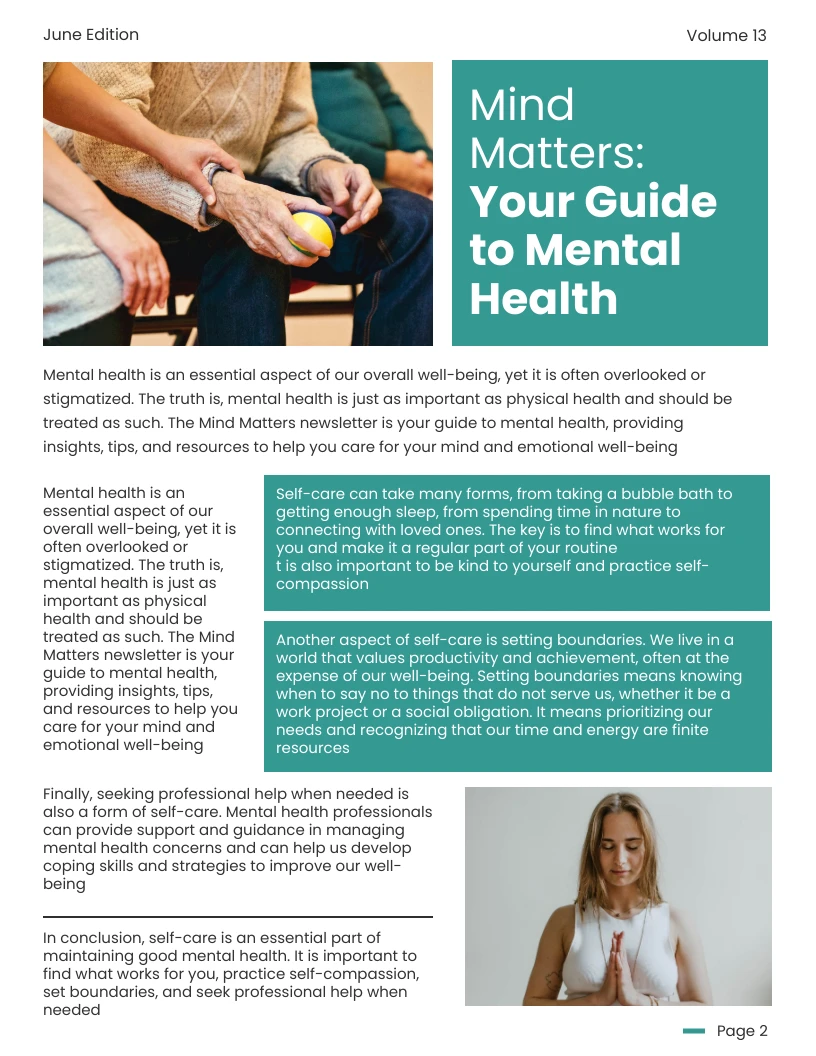
Credit: venngage.com
Frequently Asked Questions On Why Is Self Care Important For Mental Health
Why Is It Important To Take Care Of Your Mental Health?
Taking care of your mental health boosts overall well-being, enhances productivity, and maintains relationships. It helps manage stress, fosters resilience, and prevents mental disorders. Prioritizing mental health is essential for a balanced life.
Why Is It Important To Focus On Self-care?
Focusing on self-care boosts mental and physical well-being, improves productivity, and enhances quality of life. It’s essential for maintaining balanced health and preventing burnout. Prioritizing self-care is key for long-term success and happiness.
Why Is It Important To Take Care Of Our Own Health And Wellbeing?
Caring for our health ensures a higher quality of life and enhances productivity. It reduces the risk of chronic diseases and maintains mental health, supporting overall happiness and longevity. Prioritizing wellbeing positively impacts personal and professional relationships.
Why Is Self Management Important For Mental Health?
Self-management bolsters mental health by fostering a sense of control, enhancing coping strategies, and reducing stress. It encourages proactive problem-solving and builds resilience, leading to improved emotional well-being.
Conclusion
Maintaining mental health is not a luxury but a necessity. Self care acts as a safeguard, preserving our emotional well-being. Its role in stress reduction and improved life satisfaction is undeniable. Embrace self care; it’s the foundation for a resilient, happier mind.
Start today, reap lifelong benefits.
